
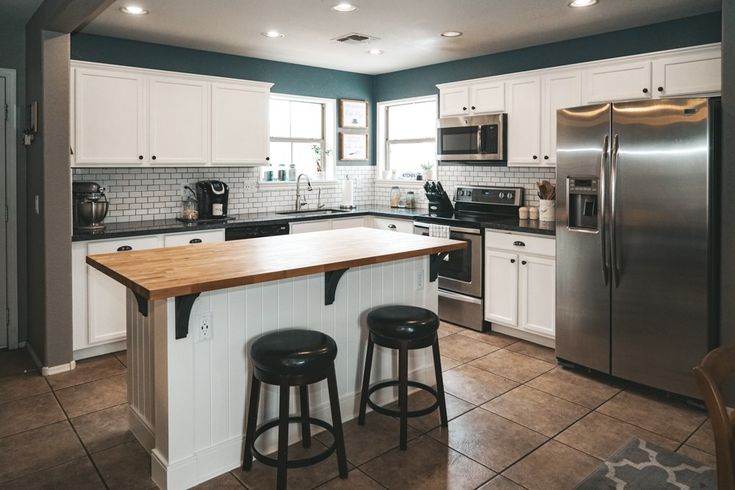
Transforming Your Kitchen
The kitchen is often described as the heart of the home. It is where families gather to share meals, where homework is done, and where friends congregate during parties. Over time, however, even the most beloved kitchens can begin to feel outdated or inefficient. You might walk into your space and feel that it lacks the functionality you need or the modern style you crave. While a full gut renovation is one way to address this, it is not the only way. You can achieve a dramatic transformation by focusing on two key elements: upgrading your kitchen countertops columbus and adding a central hub. Learning how to transform your home with countertop refacing and new islands can revitalize your kitchen countertops without the massive expense and disruption of a total remodel.
Understanding the Impact of Surface Renewal
The visual weight of a kitchen is carried largely by the horizontal surfaces. Old, stained, or outdated countertops can make the entire room feel drab and unclean. Similarly, a kitchen lacking an island often lacks the workflow efficiency that modern homeowners expect. By addressing these two specific areas, you can shift the entire dynamic of the room.
What Is Countertop Refacing?
Countertop refacing is the process of giving your existing countertops a fresh, new face without necessarily tearing out the old substrate. While traditional countertop replacement involves demolishing the old slabs and installing new heavy stone, refacing can involve several modern techniques. This might include applying a concrete overlay, a durable epoxy coating, or even adhering a thin layer of natural stone veneer over the existing surface. This approach is cost effective and significantly reduces the mess and time associated with demolition. It allows you to change the color and texture of your countertops to match modern trends, such as a matte concrete look or a sleek white finish, without the waste of a full rip out.
The Social Center of the Kitchen
Adding an island transforms the kitchen from a corridor of cooking into a room of living. It creates a natural gathering point. Without an island, the cook is often isolated against a wall, turned away from guests or family. An island bridges this gap. It invites interaction, allowing someone to chop vegetables while chatting with a partner sitting on the other side. Beyond social benefits, it introduces additional storage and counter space, which are often the two biggest complaints homeowners have about their current kitchens.
Planning Your New Layout
Before diving into aesthetics, the practical aspects of the project must be addressed. Introducing an island into a kitchen that previously lacked one requires careful planning to ensure the room remains functional and safe to move through.
Evaluating Space and Flow
The golden rule of kitchen design is clear circulation in kitchen countertops columbus ohio. To successfully add an island, you generally need at least 36 to 48 inches of clearance between the island and the surrounding cabinets or walls. This ensures that oven doors can be opened and drawers can be accessed without obstruction. It also allows multiple people to pass by each other comfortably. If your kitchen is narrow, consider a smaller, mobile island or a peninsula design that attaches to one wall to maximize open floor space while still providing the utility of an island for kitchen countertops columbus ohio.
Utility Placement
When planning your new island, think about what it needs to house. Do you need a prep sink? Do you want a built in microwave or trash compactor? Planning these utilities during the design phase is crucial. Running electrical lines or plumbing for a sink across the floor can be a task that requires opening up the subfloor, so this needs to be mapped out early. If budget or constraints prevent moving plumbing, focus the island on seating, storage, and electrical outlets for small appliances.
Selecting Your Materials
The materials you choose will dictate the durability, maintenance, and overall feel of your renovation. The beauty of combining countertop refacing with a new island is that you have the opportunity to play with color and contrast.
Options for Countertop Refacing
If you are choosing to resurface your existing perimeter counters, durability is key. Modern epoxy coatings are popular for refacing because they can mimic the look of stone or marble and are incredibly heat and scratch resistant. They are also seamless, which makes them very hygienic. Concrete overlays offer a cool, industrial aesthetic that can be customized with different dyes and stains. These options are generally more affordable than purchasing new slabs of granite or quartz and can be completed in a fraction of the time.
Choosing Countertops for the Island
Since the island is often the focal point of the room, you have more freedom to be bold here. If you have refaced your perimeter counters in a neutral white or gray concrete finish, you might choose to install a contrasting wood butcher block on the island for warmth. Alternatively, you could use a bold patterned quartz or granite on the island while keeping the perimeter counters subtle. This distinction creates visual interest and draws the eye to the center of the room, anchoring the space. Ensure the material you choose for the island complements the refaced perimeter counters to create a cohesive look.
Design Features for Islands
Functionality should be the driving force behind your island design. A beautiful island that does not work for your lifestyle will quickly become a source of frustration.
Storage Solutions
One of the biggest advantages of a new island is the addition of deep storage. Instead of standard cabinets, consider deep drawers on one side of the island. Drawers are significantly more practical than cabinets for storing pots, pans, and small appliances because they allow you to access items at the back without having to crouch down and rummage in the dark corners. You can also incorporate specialty storage like a spice rack drawer, a pull out trash can, or a vertical tray divider for baking sheets and cutting boards.
Electrical Considerations
Modern building codes often require electrical outlets on islands. This is actually a fantastic feature for functionality. It allows you to plug in stand mixers, blenders, or chargers for devices right where you are working. When designing your island, plan for outlets to be installed in the side of the cabinet or pop up outlets that disappear into the countertop to maintain a clean aesthetic. Having power available at the island increases the usability of the space significantly.
The Transformation Process
Executing this project involves several stages, from preparation to the final finish. Understanding the workflow can help you prepare for the disruption to your daily routine.
Preparing the Existing Surfaces
Whether you are painting cabinets or refacing countertops, preparation is everything. For countertop refacing, the existing surface must be thoroughly cleaned, sanded, and degreased. Any loose tiles or laminate must be removed or secured. If you are applying an epoxy or concrete overlay, the existing counter must be treated with a bonding primer to ensure the new material adheres properly. Skipping these prep steps is the most common reason for DIY failures. If you are hiring a professional, ensure they detail their preparation process, as this is the mark of a quality contractor.
Installing the New Island
The installation of the island usually happens after the flooring has been updated or in conjunction with the floor. The cabinet boxes are assembled and squared into position. Once the base is secure, the countertop is installed. If you are refacing the island yourself to match the perimeter, you would apply the overlay or finish at this stage. If you chose natural stone for the island, the templating and installation process will mirror that of a traditional countertop installation. Finally, the finish elements like trim, drawer pulls, and lighting are added to complete the look.
Conclusion
Revitalizing your kitchen does not require a massive budget or months of construction noise and dust. By focusing on high impact changes like countertop refacing and the addition of a new island, you can alter the function and feel of the room dramatically. These upgrades add value to your home, improve your daily workflow, and create a space that is inviting for family and friends. Whether you choose a sleek, industrial concrete refacing or a warm wood island to contrast cool counters, these changes allow you to express your personal style. With careful planning and the right materials, your kitchen can become the modern, efficient heart of your home that you have always wanted.
FAQS
What exactly is countertop refacing?
Countertop refacing refers to updating the surface of your existing countertops without removing them. This can be done using concrete overlays, epoxy coatings, or tile. It is a cost effective way to change the look of your kitchen without the expense of new stone slabs.
Can I add an island to a small kitchen?
Yes, but you must be mindful of clearance. You generally need at least 36 inches of walking space around the island. If your kitchen is very narrow, consider a narrow table or a portable cart instead of a built in island to ensure the room does not feel cramped.
How long does a countertop refacing project take?
The timeline varies based on the material used. Epoxy coatings can often be done in a few days. Concrete overlays may take a bit longer due to drying times. Generally, these projects are much faster than a full demolition and installation, often taking less than a week.
Is an epoxy countertop durable?
Yes, high quality epoxy coatings are very durable. They are heat resistant, scratch resistant, and non porous, meaning they do not harbor bacteria. However, they can be scratched by sharp knives, so cutting boards should always be used.
Do I need a permit to add a kitchen island?
If the island involves plumbing or electrical work, you will likely need a permit. Electrical permits ensure that the outlets are installed safely to code. It is always best to check with your local building department before starting any project that involves electrical or plumbing changes.
 myrabtorp
  alisajames