
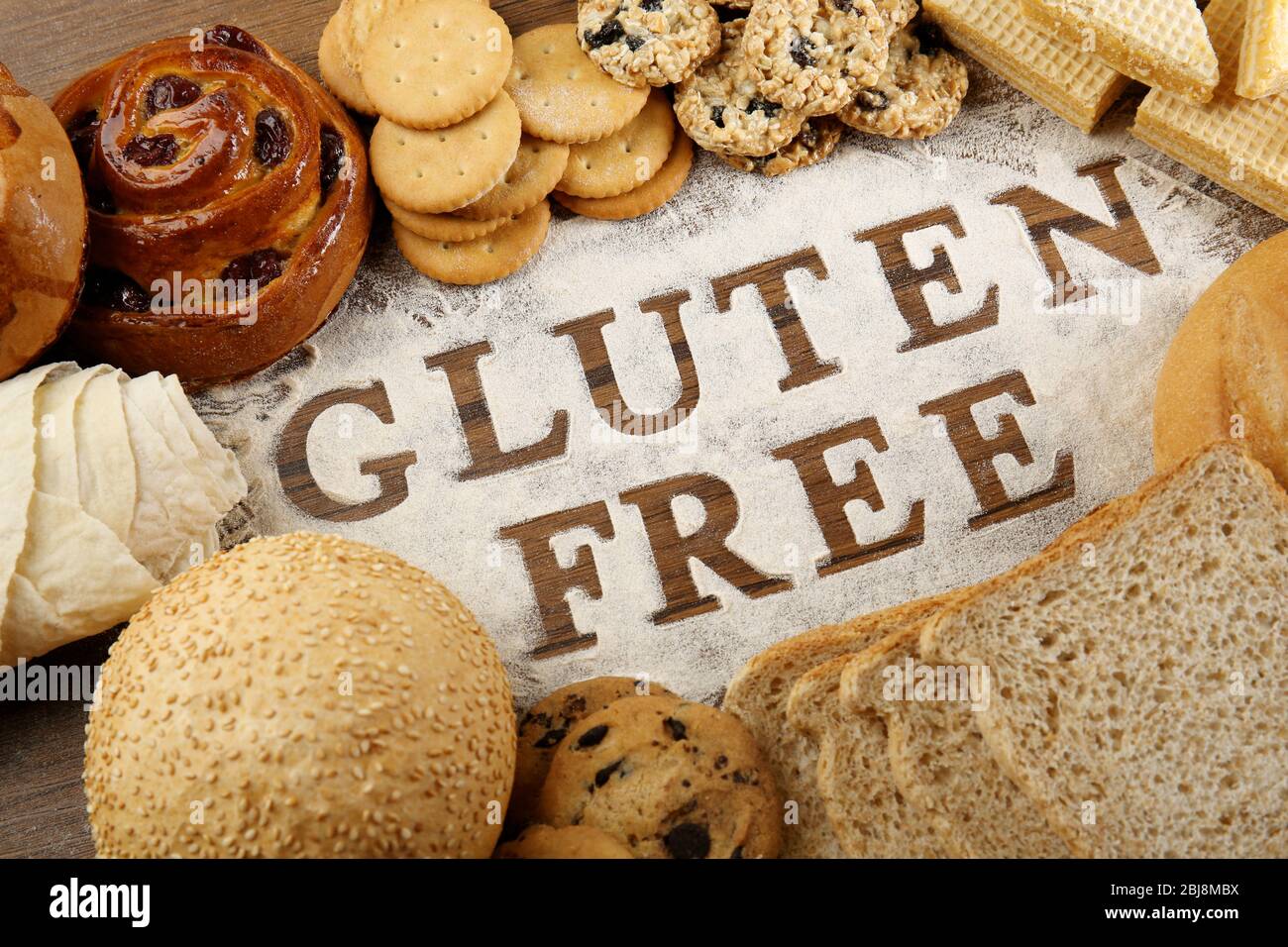
The Rise of Gluten Free Baking
Over the last decade, gluten free baking has moved from a niche market to a popular lifestyle choice. Many people now seek bread, cakes, and pastries that are free from gluten due to dietary sensitivities, celiac disease, or a preference for healthier eating. The gluten free bakery has become a trusted solution for those who want to enjoy baked goods without the discomfort that gluten can cause.
Knife and Fork Bakery has been at the forefront of this movement, known for crafting gluten free treats that taste as good as they look. Their team focuses on maintaining strict safety standards while ensuring every bite is flavorful, soft, and satisfying.
What Gluten Free Really Means?
What is Gluten?
Gluten is a protein found in wheat, barley, and rye that helps dough stretch and maintain its shape. In traditional baking, gluten gives bread its chewiness and elasticity. However, for individuals with celiac disease or gluten intolerance, consuming gluten can trigger digestive distress and other health problems.
Why Go Gluten Free?
Going gluten free isn’t just a trend it’s a health necessity for many. Avoiding gluten can improve digestion, reduce inflammation, and boost energy levels in people with sensitivities. For bakeries like Knife and Fork Bakery, it means taking extra care to eliminate any source of gluten contamination in their kitchens.
How a Gluten Free Bakery Ensures Safety?
Safety is the foundation of every trusted gluten free bakery. Knife and Fork Bakery has developed a meticulous system to ensure all their products are safe for those who cannot tolerate gluten.
Dedicated Gluten Free Kitchen
A true gluten free bakery operates in a 100% gluten free environment. This means there are no wheat, rye, or barley ingredients anywhere in the facility. Knife and Fork Bakery’s workspace is fully dedicated to gluten free production, which prevents cross-contact from traditional flours.
Ingredient Sourcing and Verification
Every ingredient used is carefully sourced and verified gluten free. Bakers confirm that suppliers follow strict standards and provide certification that ingredients are safe. Whether it’s almond flour, rice flour, or xanthan gum, nothing enters the kitchen without thorough review.
Separate Tools and Equipment
Cross-contamination can easily occur through utensils and baking equipment. Knife and Fork Bakery maintains separate tools, pans, and mixers exclusively for gluten free baking. Even storage areas are labeled and sealed to avoid accidental exposure.
Staff Training and Cleanliness
Bakers and staff receive continuous training on gluten safety. They understand the importance of hygiene, proper handling, and cleaning techniques. Workstations are sanitized before and after every baking session, ensuring that customers can trust every product.
Creating Gluten Free Treats That Taste Amazing
Safety is crucial, but taste and texture matter too. Knife and Fork Bakery’s success comes from balancing both.
The Secret of Gluten Substitutes
Since gluten helps dough rise and hold its shape, gluten free bakers use creative alternatives to achieve similar results. Ingredients like psyllium husk, tapioca starch, and potato flour help replicate gluten’s elasticity. The combination of these ingredients gives each loaf or cake its soft, airy structure.
Experimenting with Flours
Unlike traditional baking, gluten free baking requires blending several types of flour to create the right balance of flavor and texture. Knife and Fork Bakery uses a mix of almond, brown rice, sorghum, and millet flours to achieve a natural, hearty taste.
Balancing Moisture and Freshness
One of the biggest challenges in gluten free baking is dryness. Without gluten, baked goods can quickly lose moisture. The bakers at Knife and Fork Bakery carefully measure hydration levels and incorporate natural oils or fruit purées to retain freshness longer.
Key Ingredients Used in Quality Gluten Free Baking
Rice Flour
Light and mild in flavor, rice flour forms the base for many gluten free products. It provides a smooth texture and helps maintain structure.
Almond Flour
This flour adds protein, richness, and a subtle nutty taste. It’s often used in cakes, muffins, and cookies to enhance moisture.
Sorghum Flour
Sorghum flour contributes to flavor depth and adds nutritional value, making baked goods more wholesome.
Tapioca Starch
Tapioca starch provides elasticity and chewiness, making bread and pastries soft and satisfying.
Xanthan Gum and Psyllium Husk
These binders replace the function of gluten, helping ingredients stick together and hold shape while maintaining a pleasant bite.
The Art of Gluten Free Bread Making
Bread is one of the hardest items to perfect without gluten. Knife and Fork Bakery has mastered this craft by fine-tuning techniques that result in loaves both soft and flavorful.
Mixing Techniques
Unlike wheat dough, gluten free dough doesn’t require kneading. Instead, it needs gentle mixing to prevent air bubbles from escaping. The bakers at Knife and Fork Bakery use precise timing and mixing speeds to achieve the ideal consistency.
Proper Rising Time
Gluten free dough rises differently and can collapse if over-proofed. Professional bakers monitor temperature and humidity to allow just the right rise before baking.
Baking Temperature and Humidity Control
Baking gluten free bread at the right temperature ensures even texture and crust color. Slightly higher humidity levels during baking help prevent dryness.
Sweet Treats and Pastries: How They Stay Delicious
Gluten free cakes and pastries must taste just as indulgent as their gluten-containing versions. Knife and Fork Bakery achieves this by perfecting their recipes through extensive testing.
Moisture Management
To prevent dryness, bakers use ingredients like yogurt, eggs, and fruit purées that add natural moisture.
Natural Sweeteners and Flavors
Instead of relying on artificial flavors, Knife and Fork Bakery incorporates natural vanilla, cocoa, and spices for an authentic taste.
Experimenting with Layers and Fillings
Gluten free pastries like croissants or tarts require extra care. Using layers of alternative flours and plant-based fats, the bakery achieves flaky textures that surprise many first-time customers.
Preventing Cross-Contamination: A Non-Negotiable Practice
Cross-contamination remains one of the biggest challenges for gluten free baking. Even a tiny trace of gluten can trigger reactions for those with celiac disease.
Knife and Fork Bakery takes this seriously by:
-
Storing all gluten free ingredients in sealed containers
-
Cleaning surfaces and equipment before every batch
-
Using color-coded utensils and gloves
-
Conducting routine inspections and product testing
Their commitment ensures that every baked good meets strict gluten free standards from preparation to packaging.
How Knife and Fork Bakery Maintains Quality Consistency?
Consistency sets great bakeries apart. Knife and Fork Bakery ensures each batch meets the same high standard through careful recipe documentation and ingredient tracking.
Quality Testing
Before new items reach customers, every recipe is tested for taste, texture, and safety.
Customer Feedback
The bakery values customer reviews to refine recipes and innovate new flavors that meet expectations.
Regular Equipment Maintenance
Machines and ovens are calibrated regularly to maintain even heating and ensure reliable baking results.
The Emotional Connection to Gluten Free Baking
For many, enjoying baked goods is more than just eating—it’s an emotional experience tied to comfort, family, and celebration. Knife and Fork Bakery understands this deeply. They aim to bring back that feeling for people who once had to give up bread and pastries due to gluten intolerance. Each product is made with care, offering a sense of inclusion and joy for all customers.
Choosing the Right Gluten Free Bakery for You
When looking for a trustworthy gluten free bakery, keep these tips in mind:
-
Check for gluten free certification – Reputable bakeries will proudly display it.
-
Ask about their kitchen setup – Ensure there’s no shared space with gluten ingredients.
-
Read customer reviews – Look for consistent praise about safety and taste.
-
Try samples – A bakery confident in its products will gladly offer tastings.
Knife and Fork Bakery ticks all these boxes, standing as a reliable choice for those who value both safety and deliciousness.
The Future of Gluten Free Baking
As more people adopt gluten free lifestyles, bakeries continue to innovate. Advances in flour blending, fermentation, and natural binders will make gluten free goods even more similar to traditional ones. Knife and Fork Bakery remains committed to leading this progress through continuous research and development.
Final Thoughts
In conclusion, a gluten free bakery like Knife and Fork Bakery proves that safety and taste can go hand in hand. Their dedication to using certified ingredients, maintaining a gluten free workspace, and focusing on flavor has set a high standard in the industry.
From breads to cakes, every product reflects care, expertise, and a passion for creating food that everyone can enjoy. Their consistent approach to cleanliness, innovation, and customer trust ensures that each bite remains safe and satisfying.
For anyone seeking delicious, worry-free baked goods, Knife and Fork Bakery shows what a true gluten free bakery can achieve safe treats that never compromise on taste.
Here,you can find more articals
 halilhuseyincagatay3@gmail.com
  virginia Marijuana
  smilepadindia