
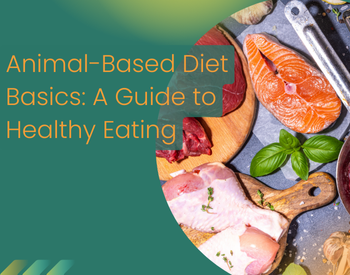
Transitioning toward an animal-based diet involves centering daily nutrition around bioavailable animal foods while incorporating specific low-toxin plant options. Unlike strict carnivore diets that exclude all plant matter, an animal-based eating framework combines nutrient-dense meats, organ meats, raw or fermented dairy, egg yolks, and easily digestible carbohydrates like sweet fruits, raw honey, and maple syrup.
Whether your goal is optimizing athletic recovery, managing digestive sensitivities, or reducing dietary anti-nutrients, building a well-structured meal plan ensures you hit your macro- and micronutrient targets while keeping meals varied and satisfying.
Core Framework: What Is an Animal-Based Diet?
Popularized by advocates of evolutionary nutrition, an animal-based approach prioritizes foods that provide maximum nutrient density with minimal gastrointestinal irritation. The philosophy differentiates between plant organs (leaves, stems, roots, seeds, and grains) which often contain defense chemicals like oxalates, phytates, and lectins and plant fruits, which are naturally designed to be consumed.
Dietary Structure Breakdown:
[Bioavailable Proteins & Fats: ~60–70% Daily Calories] ➔ Ruminant Meats, Poultry, Fish, Eggs, Organ Meats
[Low-Toxin Carbohydrates: ~20–30% Daily Calories] ➔ Ripe Fruits, Honey, Maple Syrup
[Nutrient-Dense Dairy / Fluids: ~10% Daily Calories] ➔ Raw Milk, Kefir, Butter, Bone Broth
Primary Pillars of the Animal-Based Pyramid:
- Ruminant Meats: Beef, lamb, bison, and venison provide complete amino acid profiles, highly absorbable heme iron, zinc, and essential fatty acids.
- Organ Meats: Liver, heart, and kidney serve as nature’s multivitamins, delivering concentrated bioavailable vitamin A (retinol), B vitamins (especially B12 and folate), choline, and coenzyme Q10.
- Low-Toxin Fruits: Bananas, berries, avocados, melons, squashes, and cucumbers provide quick-burning glucose, fructose, and key electrolytes like potassium without heavy anti-nutrient loads.
- Raw or Fermented Dairy (Optional): Raw milk, kefir, aged cheeses, and grass-fed butter supply calcium, fat-soluble vitamins (A, D3, K2), and beneficial probiotics for gut microbial support.
- Natural Sweeteners: Pure raw honey and maple syrup offer clean carbohydrate sources to support thyroid function, lower cortisol, and replenish muscle glycogen.
Sample 3-Day Animal-Based Meal Plan
A successful daily menu balances satiating proteins and healthy fats with sufficient carbohydrate intake to keep energy levels stable throughout the day.
Day 1
- Breakfast: 3 pasture-raised eggs scrambled in grass-fed butter, 1 ounce of beef liver (or freeze-dried organ supplement), half an avocado, and a cup of raw bone broth.
- Lunch: 8 oz ribeye steak lightly seasoned with unrefined sea salt, served alongside a ripe banana and a spoonful of raw honey.
- Dinner: 8 oz ground bison patties topped with raw cheddar cheese, paired with roasted yellow squash (cooked in tallow) and a bowl of fresh blueberries.
- Snack/Dessert: A glass of raw whole milk mixed with a teaspoon of raw honey.
Day 2
- Breakfast: Omelet made with 3 eggs, goat cheese, and diced cooked bacon; side of sliced mango.
- Lunch: 8 oz wild-caught salmon fillet cooked in butter, served with cucumber slices topped with sea salt and olive oil, and a side of fresh pineapple.
- Dinner: 10 oz grilled lamb chops, a small serving of beef heart or liver, and half a cantaloupe melon.
- Snack/Dessert: Kefir smoothie blended with frozen strawberries and a drizzle of maple syrup.
Day 3
- Breakfast: 3 sunny-side-up eggs over a 6 oz beef patty, 1 ounce of sauteed beef liver, and a handful of raspberries.
- Lunch: Slow-cooked beef brisket or chuck roast with a side of steamed zucchini (peeled and seeded to lower lectin content) and a fresh orange.
- Dinner: 8 oz grass-fed sirloin steak, 2 poached eggs, and a serving of baked butternut squash brushed with butter and sea salt.
- Snack/Dessert: Plain Greek yogurt or raw milk cottage cheese mixed with raw honey.
When customizing menu choices, home cooks often look for simple ways to prepare organ meats and balance fat-to-carb ratios; reviewing practical meal preparation methods like these animal-based diet recipes for every meal offers helpful inspiration for integrating grass-fed cuts into daily routines.
Key Nutritional Considerations and Common Pitfalls
While an animal-based diet provides abundant bioavailable micronutrients, individuals adapting to this way of eating should keep several practical considerations in mind:
1. Tailoring Carbohydrate Intake to Activity Levels
Carbohydrates are not inherently toxic when sourced cleanly. Athletes, heavy lifters, and active individuals need adequate carbohydrates from fruit and honey to sustain glycogen stores, maintain thyroid output, and support healthy hormone levels. Sedentary individuals may require smaller fruit portions to maintain metabolic flexibility.
2. Electrolyte Balance During Transition
As processing inputs and refined grains are removed, systemic insulin levels drop, prompting the kidneys to excrete excess water and sodium. Adding unrefined mineral sea salt (such as Celtic or Redmond Real Salt) generously to meats and water ensures adequate sodium, potassium, and magnesium retention.
3. Organ Meat Moderation
Organ meats like liver are exceptionally high in preformed Vitamin A (retinol) and copper. While 1 to 2 ounces of fresh liver daily (or 3 to 5 grams of desiccated liver capsules) provides immense health benefits, overconsuming liver in excessive quantities over long periods can lead to vitamin accumulation. Balance is key.
Frequently Asked Questions
Is an animal-based diet safe for long-term health?
Yes, for most healthy individuals, a diet centered around unprocessed meats, organ meats, fruits, and healthy fats provides complete nutritional coverage. However, individuals with pre-existing medical conditions such as advanced chronic kidney disease or familial hypercholesterolemia should consult a qualified healthcare provider or dietitian to monitor serum lipid profiles and kidney markers.
Can I build muscle without eating plant-based protein powders or grains?
Absolutely. Ruminant meat, poultry, eggs, and dairy provide complete proteins with exceptional leucine content, which drives muscle protein synthesis effectively. Coupling high-quality animal protein with clean carbohydrates from fruit and honey supports post-workout glycogen recovery and anabolic drive.
How do I get enough fiber on an animal-based meal plan?
Fiber is not an essential human nutrient. While traditional dietary guidelines stress high fiber, many individuals experience significant reduction in bloating and constipation when eliminating harsh cereal fibers. Ripe fruits provide gentle, soluble fiber options that support bowel motility without irritating the gut lining.
What if I cannot digest raw dairy?
Dairy is entirely optional in an animal-based framework. If you are lactose intolerant or sensitive to dairy proteins (A1 casein), you can easily substitute dairy with bone broth, extra eggs, or simply focus on beef, seafood, fruit, and honey.
Summary
An animal-based diet meal plan combines the bioavailable nutrient density of grass-fed meats and organ meats with the clean, low-toxin energy of fresh fruits and raw honey. By eliminating processed vegetable oils, refined grains, and heavy plant anti-nutrients while prioritizing quality animal foods, you can construct a sustainable, satisfying routine tailored to your health and metabolic needs.
 sonaliushc