
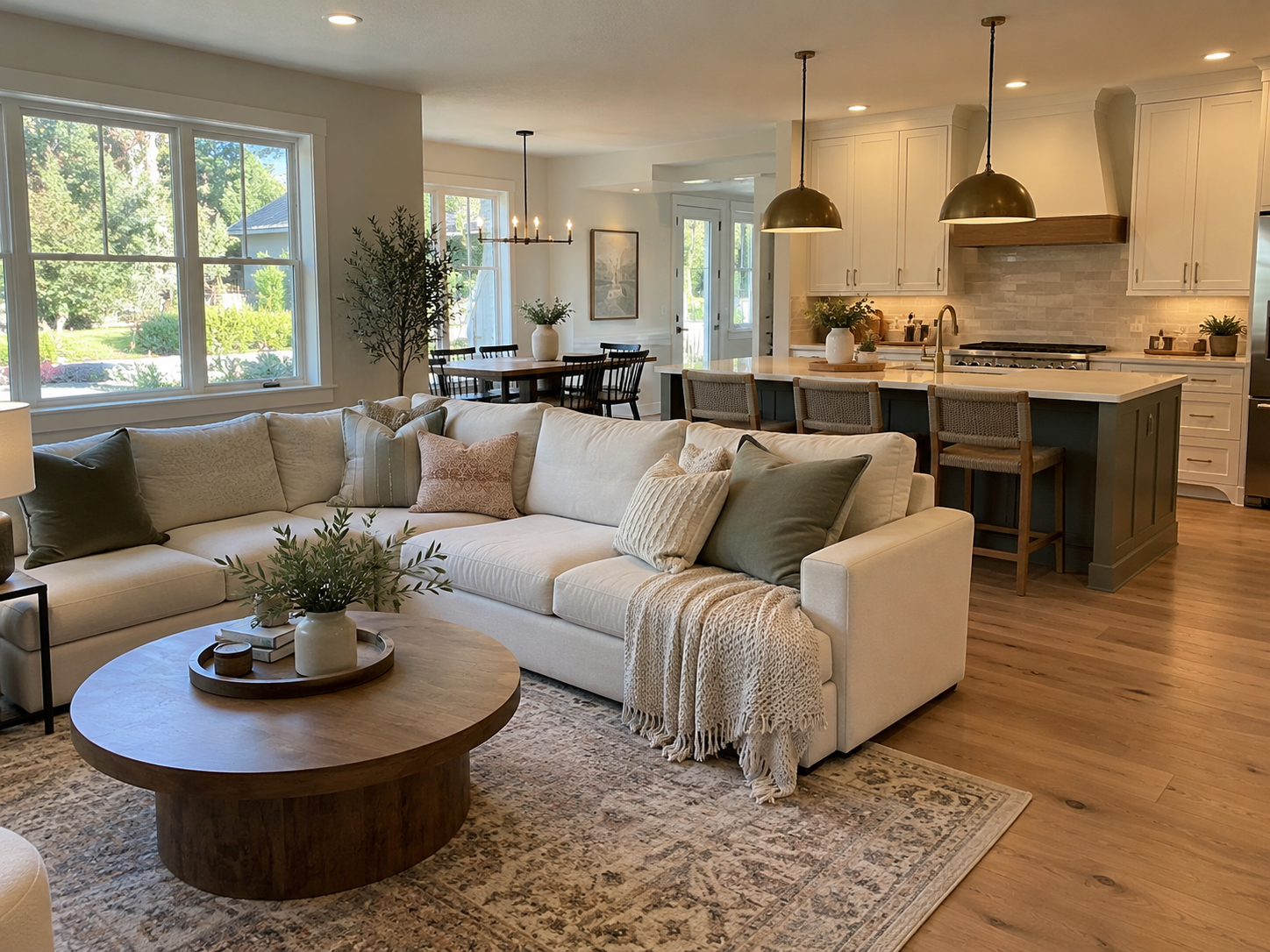
Every homeowner wants a living space that feels comfortable, looks attractive, and supports everyday activities. However, as families grow and lifestyles change, even a beautiful house can begin to feel outdated or impractical. Limited storage, old flooring, poor lighting, and inefficient room layouts can make daily routines more difficult than necessary.
A well-planned renovation can solve these problems while improving the overall appearance of the property. Instead of focusing only on decoration, homeowners should consider how each improvement will affect comfort, space, and long-term maintenance. For example, upgrading kitchen storage, improving bathroom layouts, or creating an open living area can make a noticeable difference.
For homeowners in Columbia, MD, thoughtful remodeling can help create living spaces that better match modern needs. Whether the goal is to update one room or improve several areas, careful planning helps homeowners make practical decisions without unnecessary expenses.
Key Takeaways
- Smart home remodeling improves comfort, storage, functionality, and the overall living experience.
- A realistic budget, durable materials, and careful planning help homeowners avoid common renovation problems.
- Professional remodeling services can support better project coordination, material selection, and construction quality.
Why Home Remodeling Is a Smart Investment for Homeowners
A successful home remodeling project does more than improve the appearance of a house. It provides an opportunity to solve everyday problems, update outdated spaces, and make rooms more useful. Therefore, homeowners should consider both their current needs and their future plans before starting renovations. For example, a family may need additional kitchen storage, while another household may prefer a more accessible bathroom. Similarly, homeowners who frequently entertain guests might benefit from a larger dining area or a more open living room. These improvements can increase everyday comfort and may also make a property more attractive to future buyers. However, the financial return depends on factors such as local market conditions, project quality, and total renovation expenses.
Improving Daily Comfort and Convenience
Comfort is one of the main reasons homeowners decide to renovate. An outdated kitchen may lack enough countertop space for meal preparation. Likewise, a bathroom with limited storage can make morning routines frustrating. Remodeling allows homeowners to correct these problems through better layouts, improved fixtures, and practical storage solutions. For instance, installing deep kitchen drawers can make cookware easier to reach. Similarly, adding a walk-in shower may improve bathroom accessibility. As a result, small design changes can make a significant difference in how people experience their homes.
Making Better Use of Available Space
Not every remodeling project requires expanding the house. Sometimes, changing the existing layout can create a more comfortable environment without adding square footage. For example, removing unnecessary interior partitions may improve movement between connected living areas. However, homeowners must determine whether a wall carries structural loads before considering removal. Other space-saving improvements include built-in shelving, multifunctional furniture, and better closet organization. Ultimately, the goal is to make each room serve a clear purpose.
Start With a Practical Home Renovation Plan
Renovation projects often become stressful when homeowners begin construction without a clear plan. Therefore, identifying priorities before selecting materials or hiring contractors can make the process more manageable. A practical plan should explain what needs improvement, why the changes matter, and how much the household can reasonably spend.
Evaluate the Current Condition of the Home
Before beginning renovations, homeowners should inspect the areas they want to improve.
Common issues include:
- Damaged or outdated flooring.
- Poor kitchen and bathroom layouts.
- Insufficient storage space.
- Inadequate lighting.
- Aging plumbing fixtures.
- Limited electrical outlets.
- Poor ventilation in moisture-prone rooms.
- Worn countertops and cabinets.
However, cosmetic problems should not automatically take priority over repairs that affect safety or building performance. For example, damaged plumbing should receive attention before decorative bathroom upgrades. Similarly, electrical problems require professional evaluation before installing new lighting or appliances.
Set Clear Remodeling Goals
Every renovation should have a defined purpose. Some homeowners want a modern appearance, while others need additional storage, accessibility improvements, or more functional living areas. A useful approach is to divide improvements into three categories: essential repairs, functional upgrades, and optional design features. Essential repairs may include correcting water damage or unsafe electrical conditions. Functional upgrades might involve improving kitchen storage or replacing an impractical bathroom layout. Meanwhile, optional features could include decorative lighting, premium finishes, or custom shelving. This approach helps homeowners prioritize improvements when working with a limited budget.
Kitchen Remodeling Ideas That Improve Everyday Living
The kitchen plays an important role in daily household activities. Besides cooking, families often use this space for conversations, informal meals, and gatherings. Consequently, kitchen remodeling should focus on both practical performance and visual appeal.
Improve Kitchen Layout and Workflow
An efficient kitchen allows people to move comfortably between the refrigerator, sink, and cooking area. However, the best layout depends on available space and household needs. For example, an L-shaped kitchen may work well in an open floor plan. Meanwhile, a galley layout can provide efficient working areas in a narrow space. Homeowners should also consider appliance clearances, walking space, and cabinet accessibility. Additionally, countertop placement can affect how comfortably people prepare meals. A beautiful kitchen becomes less useful when there is insufficient working space around major appliances.
Upgrade Cabinets and Storage
Cabinets have a major influence on kitchen organization. Instead of choosing cabinets based only on color, homeowners should consider construction quality, available space, and storage requirements.
Practical options include:
- Pull-out pantry shelves.
- Deep drawers for pots and pans.
- Adjustable cabinet shelving.
- Corner storage organizers.
- Built-in trash and recycling compartments.
These features can help reduce countertop clutter and make commonly used items easier to access. Moreover, properly installed cabinets may offer better long-term performance than poorly fitted storage units.
Select Durable Countertops
Countertops experience regular exposure to spills, food preparation, cleaning products, and daily wear. Therefore, homeowners should compare materials based on durability, maintenance, appearance, and budget. Quartz offers a nonporous surface that generally requires little routine maintenance. Granite provides natural patterns and good heat resistance, although sealing needs vary by stone. Meanwhile, laminate can offer a more affordable option for homeowners who prefer a simple renovation. The right choice depends on household habits rather than appearance alone.
Bathroom Remodeling for Better Comfort and Safety
Bathrooms are another important area to consider during home renovation. Although these spaces are often smaller than kitchens, their design affects daily comfort, moisture management, and accessibility. A bathroom renovation may include replacing outdated fixtures, improving ventilation, updating flooring, or changing the shower layout.
Install Practical Bathroom Fixtures
Modern bathroom fixtures can help improve convenience and water efficiency. For example, WaterSense-labeled faucets and showerheads can reduce water consumption while meeting applicable performance standards. Similarly, a properly designed walk-in shower can offer easier access than certain traditional bathtub arrangements. However, homeowners should evaluate household needs before removing an existing bathtub. Families with young children may still prefer having at least one bathtub available.
Improve Lighting and Ventilation
Poor lighting can make a bathroom feel smaller and less comfortable. Therefore, combining general lighting with focused mirror lighting can improve visibility. Ventilation is equally important. Without suitable airflow, excess moisture may contribute to mold growth, peeling paint, and damaged finishes. A correctly sized exhaust fan can help control humidity when properly installed and vented outdoors. Additionally, moisture-resistant materials should complement not replace effective waterproofing in wet areas.
Understanding Home Remodeling Costs Before Starting
Budget planning is essential because renovation expenses vary according to project size, labor requirements, material quality, and construction complexity. The total home remodel cost may also increase when a project involves structural modifications, major plumbing changes, or unexpected repairs. For example, replacing existing kitchen cabinets may be relatively straightforward when the original layout remains unchanged. However, relocating the sink or removing walls can require additional design work, permits, and specialized labor. Therefore, homeowners should understand the complete scope of the renovation before approving a construction budget.
Factors That Influence Remodeling Expenses
Several factors affect the final project price.
- Project Size
Larger renovation areas generally require more materials and labor. However, smaller projects can still become expensive when they involve complex installations.
- Material Selection
Premium countertops, custom cabinets, and specialty flooring can increase expenses. Nevertheless, homeowners can often find durable options at different price points.
- Labor Requirements
Plumbing, electrical, structural, and finishing work require different skills and levels of expertise. Consequently, the complexity of the work affects labor costs.
- Existing Property Conditions
Older homes may contain outdated systems or hidden damage. For example, contractors may discover deteriorated subflooring after removing an existing floor.
- Permits and Inspections
Certain renovation activities require permits and inspections under local regulations. These requirements can affect both the schedule and budget.
Create a Budget With Room for Unexpected Expenses
A realistic remodeling budget should cover more than the initial contractor estimate. Homeowners should consider design fees, demolition, materials, labor, permits, cleanup, and potential repairs. Additionally, setting aside a contingency reserve can help manage unexpected conditions. A reserve of approximately 10% to 20% is a useful starting point for many renovation budgets, although older or more complex properties may need additional allowances. Before construction begins, homeowners should also clarify which expenses the contractor’s written proposal includes.
Choosing Materials That Balance Style and Durability
Material selection is one of the most exciting parts of remodeling. However, choosing products based entirely on appearance can lead to maintenance problems later. The best materials should match how the household uses each room.
Flooring for Different Living Areas
Different rooms require different flooring characteristics. For example, bathrooms need surfaces suitable for frequent moisture exposure. Meanwhile, living rooms may prioritize comfort and appearance. Luxury vinyl flooring, ceramic tile, engineered wood, and other materials offer different advantages. Therefore, homeowners should compare cleaning requirements, installation conditions, and manufacturer recommendations before making a decision.
Cabinets and Interior Finishes
Cabinets, trim, wall colors, and hardware help establish the overall design. However, a consistent appearance does not require every room to use identical materials. Instead, homeowners can create visual harmony through complementary colors, finishes, and design details. For example, warm wood cabinets can pair with neutral countertops and simple hardware. Likewise, light wall colors can help smaller rooms feel more open.
Consider Maintenance Requirements
Some materials need more maintenance than others. Natural stone may require periodic sealing, while certain painted surfaces can show wear in high-traffic areas.Similarly, flooring products differ in their resistance to moisture, scratches, and impacts. By considering maintenance before purchasing materials, homeowners can make choices that remain practical over time.
Why Professional Remodeling Services Matter
Home renovation involves many connected tasks. Even when the design appears simple, successful installation may require coordination among carpenters, electricians, plumbers, flooring professionals, and other specialists. Therefore, homeowners should carefully evaluate the professionals responsible for completing the work. An experienced remodeling company can help homeowners review project requirements, understand construction stages, and coordinate the different parts of a renovation. For homeowners in Columbia, MD, working with professionals familiar with local building requirements can also support more efficient project planning.
What to Look for in a Remodeling Contractor
A contractor should provide clear information about the proposed work.
Important considerations include:
- Experience with similar projects.
- Appropriate licensing and insurance.
- Clear written estimates.
- Defined construction responsibilities.
- Relevant customer references.
- Workmanship warranty information.
- Transparent communication procedures.
Furthermore, homeowners should understand how the contractor handles design changes and unexpected construction issues. A detailed written agreement can reduce misunderstandings about materials, deadlines, and project responsibilities.
Communication During Construction
Good communication is essential during remodeling. For example, homeowners may need to approve cabinet placement, fixture locations, or changes caused by unexpected conditions. Without clear communication, these decisions can create delays. Therefore, establishing a main contact person and discussing progress regularly can help keep the project organized.
Common Home Remodeling Mistakes to Avoid
Even experienced homeowners can make renovation decisions that lead to unnecessary costs. Fortunately, many common mistakes can be avoided through better planning.
Focusing Only on Appearance
Attractive finishes are important, but functionality should remain a priority. For example, a large kitchen island may look impressive but create movement problems in a narrow room. Similarly, decorative bathroom fixtures may offer limited value if the room still lacks sufficient ventilation. Homeowners should evaluate how each improvement affects daily use before approving it.
Making Too Many Changes During Construction
Frequent design changes can increase costs and extend timelines. For instance, changing cabinet dimensions after ordering may require new materials. Likewise, relocating plumbing after installation begins can create additional labor expenses. Therefore, homeowners should finalize major decisions before construction whenever possible.
Choosing Contractors Based Only on Price
A low estimate does not necessarily represent the best value. Different contractors may include different materials, services, and warranty terms. Consequently, homeowners should compare the scope of work rather than looking only at the total price.
Ignoring Long-Term Maintenance
Some finishes require more cleaning and care than others. While a particular material may look attractive in a showroom, it might not suit a busy household. Therefore, practical maintenance requirements should influence material selection.
Home Remodeling Improvements That Support Long-Term Property Appeal
Thoughtful remodeling can help a home remain attractive and functional as household needs change. For example, improved lighting, modern storage, suitable flooring, and updated fixtures can make rooms more comfortable. However, not every renovation produces the same financial return. The potential resale benefits depend on factors such as local buyer preferences, property condition, and the cost of the improvements.
Prioritize Functional Upgrades
Homeowners should first consider improvements that address existing problems. These may include repairing damaged surfaces, improving kitchen storage, upgrading worn fixtures, or correcting inefficient layouts. Such changes can improve everyday living even when the homeowner has no immediate plans to sell.
Create a Consistent Interior Design
A coordinated interior design can help different rooms feel connected. For example, related flooring tones, complementary cabinet finishes, and consistent hardware styles can create a balanced appearance. Nevertheless, each room should still meet its individual functional requirements. A bathroom needs suitable moisture protection, while a kitchen needs durable work surfaces.
Think About Future Household Needs
Homeowners may benefit from considering how their living arrangements could change. For example, flexible rooms can support a home office, guest bedroom, or hobby area. Similarly, accessible bathroom layouts can make spaces easier to use for people with different mobility needs. These improvements should reflect realistic household priorities rather than unnecessary renovation trends.
Final Thoughts
Successful home remodeling is about creating a living space that works better for everyday life. From improving kitchen storage to updating bathrooms and selecting durable materials, every renovation decision should support comfort, functionality, and practical long-term value. For homeowners in Columbia, MD, careful planning, realistic budgeting, and qualified remodeling professionals can help turn renovation ideas into practical home improvements. Ultimately, the most successful projects balance attractive design with useful features, sensible spending, and workmanship suited to the home’s needs.
 technological.sturgeon.ojcm@hidingpost.com
 acadiastairs
 Purcell heating