
A thoughtfully designed exterior can give a property a stronger identity and make outdoor areas more enjoyable to use. Modern landscaping is not simply about adding plants around a building. It involves creating a deliberate relationship between open areas, architectural features, pathways, greenery, outdoor structures, and practical spaces. When these elements are planned together, an ordinary yard or commercial exterior can become a well-organized environment that supports both appearance and everyday use.
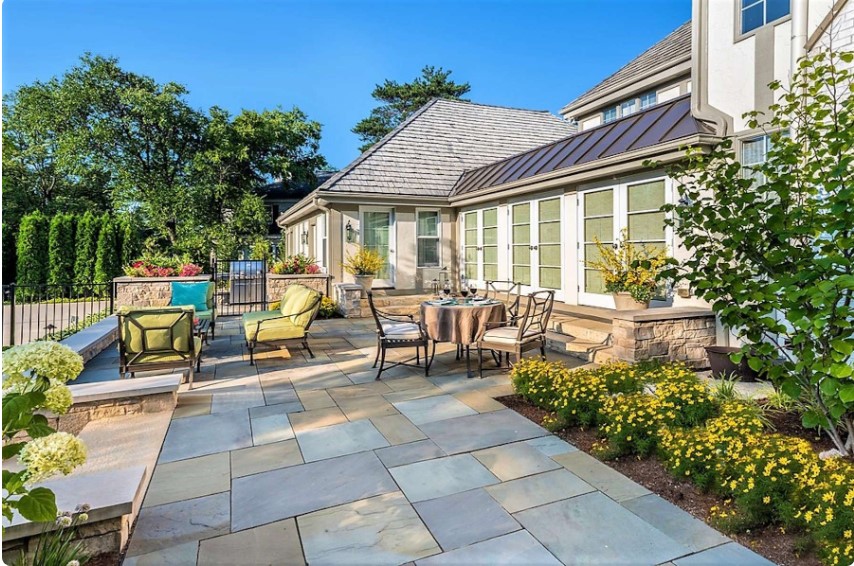
Rethinking the Traditional Outdoor Layout
Modern landscape planning often moves away from crowded planting beds and disconnected decorative features. Instead, it focuses on clean lines, purposeful spaces, balanced materials, and a layout that complements the property itself.
For homeowners and property managers exploring Modern Landscape Design in Austin TX, the design process can begin with the architecture of the building. The shape, colors, entry points, windows, and surrounding structures can all influence the outdoor arrangement.
A landscape that works with the existing architecture can create a more unified appearance. Rather than making the garden feel separate from the building, the design can extend the property’s visual character into the outdoor environment.
Designing Around How People Use the Space
A visually impressive landscape still needs to function properly. Outdoor areas should be designed according to the activities they are expected to support.
A homeowner may want a quiet space for morning coffee, a dining area for guests, or an open section where children can play. A commercial property may require clearly defined walkways, attractive entrances, employee gathering areas, or spaces that provide separation between different parts of the property.
This functional approach allows the landscape to become part of daily life rather than serving only as decoration.
Clean Lines and Defined Spaces
One characteristic commonly associated with modern landscape design is the use of clearly defined areas. Instead of allowing every section of the yard to blend together, designers can create visual boundaries through pathways, planting beds, edging, walls, patios, or changes in surface materials.
These transitions help people understand how an outdoor space is organized. A seating area can feel separate from a garden without requiring a solid barrier, while a pathway can establish a natural route from one part of the property to another.
For Modern Landscape Design in Austin TX, defined spaces can also make larger properties easier to manage because each section can have a specific purpose and maintenance routine.
Using Materials as Design Features
Plants are only one component of a modern outdoor environment. Materials such as concrete, natural stone, brick, wood, gravel, and metal can contribute significantly to the finished appearance.
A simple planting area can gain more character when framed with attractive edging. A patio can become a central feature when surrounded by carefully selected greenery. Walkways can introduce patterns and direction while connecting different outdoor zones.
Material selection should also consider durability and maintenance. An attractive surface that cannot handle the property’s level of use may create unnecessary problems later. Practicality should remain part of the design decision.
Making Greenery More Intentional
Modern landscaping does not require removing natural elements. Instead, plants can be selected and positioned with greater purpose.
A few carefully placed trees can provide shade and vertical structure. Ornamental grasses can introduce movement and texture. Shrubs can define boundaries, while smaller plants can add detail around entrances and seating areas.
The objective is to avoid random placement. Each plant should have a reason for being where it is, whether that reason involves privacy, shade, visual balance, screening, color, or connection between different parts of the property.
Considering Austin’s Outdoor Environment
Local environmental conditions should be part of every landscape decision. Austin properties can experience intense sunlight, warm temperatures, seasonal changes, and periods when water conservation becomes particularly important.
These factors can influence plant selection, irrigation planning, soil preparation, and the placement of shade-producing elements.
When developing Modern Landscape Design in Austin TX, selecting plants according to the property’s conditions can help create a landscape that is easier to manage. Native and well-adapted plant varieties may provide useful options, depending on the specific location and design goals.
Creating Outdoor Rooms
One useful modern landscaping concept is the creation of outdoor rooms. Instead of treating the entire yard as one open area, designers can establish distinct zones for different activities.
A dining zone might include a paved surface and comfortable seating. A relaxation area could feature shade and softer planting. Another section might contain an open lawn or a garden.
These outdoor rooms can be connected through pathways and coordinated materials. The result is a property that offers variety without feeling disorganized.
The Role of Lighting
Outdoor lighting can extend the usefulness of a landscape beyond daylight hours. It can also highlight architectural and landscape features while helping people navigate pathways and entrances.
Lighting can be positioned to emphasize trees, walls, steps, patios, or focal points. However, excessive lighting can make a design feel cluttered, so fixtures should be incorporated carefully.
A modern landscape can benefit from subtle illumination that supports both functionality and atmosphere without overwhelming the natural features of the property.
Maintaining Visual Balance
Balance is essential in any successful landscape. Large structures, tall trees, broad planting beds, and open spaces should work together rather than compete for attention.
For example, a large tree may provide an excellent focal point, but placing several equally dominant elements nearby could make the area feel crowded. Conversely, a completely open section beside a heavily planted area may create an uneven appearance.
A professional design considers scale, proportion, repetition, and contrast to create a more comfortable visual experience.
Connecting Landscaping With Exterior Maintenance
A beautifully planned landscape is easier to appreciate when surrounding exterior surfaces are also maintained. Sidewalks, driveways, parking areas, patios, walls, and building exteriors can influence the appearance of the entire property.
Dirt and accumulated debris can make even carefully designed outdoor areas appear neglected. Regular exterior cleaning can therefore complement landscape maintenance.
Total Wash and Stripe provides exterior cleaning and property maintenance solutions that can support the presentation of commercial and outdoor environments. Keeping surrounding surfaces clean allows landscaping elements to remain visible and contributes to a more polished overall appearance.
Planning for Long-Term Use
A modern landscape should be designed with the future in mind. Plants grow, outdoor activities change, and properties may eventually require adjustments.
Plant spacing should account for mature growth rather than only the size of newly installed vegetation. Pathways should provide sufficient access, while larger features should be positioned with future maintenance in mind.
This long-term perspective can prevent overcrowding and reduce the need for major changes later.
Bringing Personality Into the Design
Modern landscaping does not mean every property should look identical. A successful design should reflect the personality of the people or organization using the space.
Some property owners may prefer a minimalist environment with limited plant varieties and strong geometric shapes. Others may want more natural textures combined with modern hardscape features.
Color, materials, planting styles, furniture, lighting, and outdoor structures can all be adjusted to create a distinctive environment while maintaining a cohesive design language.
Conclusion
A modern outdoor environment should combine visual clarity with practical functionality. Modern Landscape Design in Austin TX can transform an exterior by bringing together purposeful planting, defined spaces, durable materials, outdoor living areas, lighting, and thoughtful circulation. Instead of treating landscaping as a collection of separate additions, property owners can approach the entire exterior as one connected environment. Total Wash and Stripe can complement these improvements through professional exterior cleaning and maintenance, helping keep surrounding surfaces presentable and allowing the property’s landscape to remain a noticeable part of its overall character.
 Alwin Smith
  David Jackson