
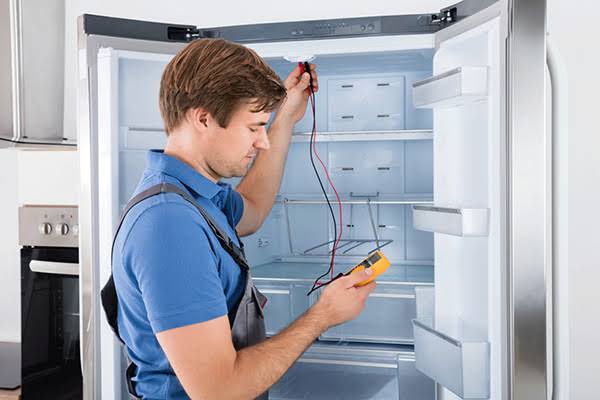
A refrigerator can give plenty of warning before it stops working completely. Food may not stay cold enough, the freezer can develop excessive frost, strange noises may appear, or water may start collecting underneath the appliance. Catching these problems early can prevent spoiled groceries and, in some cases, a much more expensive breakdown refrigerator repair.
For Edmonton and Alberta homeowners, a dependable refrigerator is especially important during busy seasons when families rely heavily on food storage. Temperature changes, aging appliances, electrical issues, and normal wear can all contribute to problems. Knowing what symptoms mean, what a technician actually checks, and when replacement makes more sense can help you make a better decision.
Common Refrigerator Problems Homeowners Notice
Refrigerators have several working components, so different symptoms can point to different problems. A unit that is not cooling properly does not automatically mean the compressor has failed.
Common issues include:
-
Refrigerator or freezer not getting cold enough
-
Excessive frost or ice buildup
-
Water leaking inside or underneath the appliance
-
Refrigerator making unusual clicking, buzzing, or rattling sounds
-
Door not sealing properly
-
Interior light not working
-
Compressor running almost constantly
-
Appliance turning on and off unexpectedly
Dirty condenser coils, a damaged door gasket, blocked airflow, a faulty thermostat, fan problems, and electrical component failures can all affect performance.
If you need to repair refrigerator problems, the first step should be identifying the actual cause rather than replacing random parts.
Why Edmonton Homes Can Experience Refrigerator Issues
A refrigerator operates in a relatively controlled environment, but surrounding conditions still matter. Alberta homes experience significant seasonal temperature changes, and appliances may be affected by where they are installed.
For example, a refrigerator positioned too close to a heat source may struggle to release heat efficiently. Poor ventilation around the appliance can also make the cooling system work harder.
Power interruptions or electrical fluctuations can create additional problems for sensitive electronic controls. Older refrigerators may also become less efficient as components wear out.
Regular cleaning and proper airflow around the appliance can reduce unnecessary strain. Homeowners should also avoid placing extremely hot food directly inside the refrigerator, since the appliance has to work harder to bring the internal temperature back down.
What Happens During a Refrigerator Service Call?
A professional inspection usually starts with a conversation about the symptoms. Telling the technician when the problem began and whether it happens continuously or occasionally can provide useful clues.
The technician may then check:
-
Temperature performance: The refrigerator and freezer compartments are assessed to determine whether they are reaching appropriate temperatures.
-
Door seals: Damaged or loose gaskets can allow warm air to enter.
-
Airflow: Vents and internal circulation are checked for blockages.
-
Fans and condenser area: These components help move air and remove heat.
-
Electrical components: Controls, wiring, sensors, and other electrical parts may be inspected.
-
Cooling system: Depending on the symptoms, the technician may evaluate components responsible for refrigeration.
-
Overall condition: The age, condition, and repair history of the appliance help determine whether repair is worthwhile.
After diagnosing the problem, a homeowner should receive an explanation of the required repair, expected labour, replacement parts, and likely timeline.
How Much Can Refrigerator Repairs Cost in Edmonton?
There is no single price for refrigerator work because the final cost depends heavily on the fault and appliance.
Simple jobs such as replacing a worn door gasket or addressing a minor component can cost considerably less than major cooling-system or compressor work. Labour rates, diagnostic fees, replacement parts, appliance accessibility, and the refrigerator’s design can all affect the final bill.
Before approving work, ask for a clear estimate that explains:
-
Diagnostic or service-call charges
-
Labour costs
-
Replacement part prices
-
Additional fees that may apply
-
Warranty coverage on parts and labour
-
Whether the quoted amount is fixed or approximate
Be cautious of estimates that provide a very low price without explaining what is included. A professional diagnosis is more useful than choosing a contractor based only on the cheapest advertised rate.
When Repair Makes More Sense Than Replacement
The age and condition of the refrigerator are important when deciding whether to repair it.
A relatively newer appliance with one failed component may be a good repair candidate. Replacing a door seal, fan, thermostat, or another manageable part can extend the useful life of the appliance.
On the other hand, an older refrigerator with repeated breakdowns may become difficult to justify financially. If major components fail after years of service, replacement could provide better long-term value.
Ask yourself:
-
How old is the refrigerator?
-
Has it required several repairs recently?
-
Is the cabinet and interior still in good condition?
-
Is the appliance otherwise meeting your household’s needs?
-
How expensive is the proposed repair compared with replacement?
A qualified technician can help you understand the practical options rather than automatically recommending one solution.
Practical Tips Before Hiring a Repair Technician
Taking a few minutes to prepare can make a service appointment more productive.
First, write down exactly what the refrigerator is doing. “Not working” is less useful than saying the freezer is cold but the refrigerator section is warm.
Second, check the model and serial information before calling. These details can help determine compatible parts.
Third, ask whether the company works with your refrigerator’s brand and model. Some appliances use specialized components that are not readily available.
Fourth, ask about warranties. A reputable refrigerator repair services provider should be able to explain what coverage applies after the work is completed.
For homeowners researching local options, DS Appliance Rescue is one example of a service provider that can be considered when comparing appliance technicians and service policies.
Warning Signs You Should Not Ignore
Some refrigerator problems deserve attention quickly.
A refrigerator that is noticeably warmer than normal can put perishable food at risk. Water leaking onto the floor can damage nearby flooring or cabinets if left unresolved. A burning smell, damaged electrical cord, repeated electrical tripping, or unusual electrical sounds should also be treated seriously.
Other warning signs include:
-
Compressor running continuously
-
Heavy frost appearing repeatedly
-
Loud mechanical noises
-
Food spoiling unusually quickly
-
Water pooling beneath the appliance
-
Refrigerator struggling to maintain temperature
If an electrical problem is suspected, avoid opening panels or attempting repairs without the appropriate knowledge. Refrigeration systems and electrical components can create safety risks when handled incorrectly.
DIY vs. Professional Refrigerator Repair
Some basic maintenance tasks are reasonable for homeowners. Cleaning accessible areas, checking that vents are not blocked, inspecting the door gasket, and making sure the refrigerator has adequate surrounding ventilation can be useful.
More complicated repairs are different.
Working on electrical controls, sealed refrigeration systems, compressors, or internal wiring requires appropriate knowledge and tools. A wrong diagnosis can waste money on unnecessary parts and may create additional damage.
Professional service offers the advantage of systematic diagnosis. Instead of replacing components based on guesswork, a technician can identify the likely source of the problem and explain whether repair is sensible.
If a simple maintenance issue is involved, DIY may be practical. If the appliance is leaking, overheating, repeatedly failing, or showing electrical symptoms, professional assistance is generally the safer choice.
Making a Smarter Repair Decision
A refrigerator problem does not always mean it is time to buy a new appliance. In many cases, the right repair can restore reliable performance and postpone replacement.
The key is to focus on diagnosis, not assumptions. Understand the symptom, find out what caused it, compare the repair cost with the appliance’s age and condition, and ask about warranty coverage before approving the work.
For dependable results and greater peace of mind, homeowners should choose an experienced local appliance professional for refrigerator repairs that require diagnosis or specialized service.
How to Prevent Future Refrigerator Problems
Once a refrigerator has been repaired, simple maintenance can help reduce the chance of another breakdown. Homeowners do not need to perform complicated technical work. A few basic habits can make a noticeable difference in everyday appliance performance.
Keep the refrigerator reasonably organized so that cold air can circulate around stored food. Avoid blocking interior vents with large containers or tightly packed groceries. Restricted airflow can make it harder for the appliance to maintain an even temperature.
Check the door seal from time to time. A loose, cracked, or hardened gasket can allow warm air to enter continuously. If you notice condensation around the door or the gasket no longer grips properly, have it inspected.
It is also useful to keep the area around the refrigerator clean and properly ventilated. Dust and debris around accessible condenser areas can interfere with heat removal, depending on the appliance design.
What Homeowners Should Ask Before Approving a Repair
A good service experience starts with clear communication. Before a technician begins major work, ask a few straightforward questions.
-
What exactly caused the problem?
-
Which component needs attention?
-
Is the repair temporary or expected to provide a lasting solution?
-
Are replacement parts original or compatible alternatives?
-
How long should the repair take?
-
Is labour covered by a warranty?
-
What happens if the same problem returns?
-
Would replacement be more practical given the appliance’s age?
You do not need to understand refrigeration technology to ask these questions. A trustworthy technician should be able to explain the issue in simple language.
Be cautious if someone immediately recommends expensive parts without inspecting the appliance or explaining the diagnosis. A proper assessment should come before major repair decisions.
How Edmonton Homeowners Can Prepare for a Service Visit
A little preparation can save time during an appointment. Before the technician arrives, make sure the refrigerator is accessible. Move nearby items that could prevent easy access to the front, sides, or rear of the appliance.
Write down any symptoms you have noticed. Include unusual sounds, temperature changes, leaks, frost buildup, or times when the refrigerator stops working.
If the appliance displays an error code, take a photo or write down the exact code. Do not clear it unless necessary, because the information may help with diagnosis.
Keep the model and serial number available as well. These details can make it easier to identify the correct parts and determine the appliance’s specifications.
If food has already started spoiling because of a cooling problem, avoid assuming that everything is safe to eat. Perishable food exposed to unsafe temperatures for too long may need to be discarded.
When Emergency Service May Be Appropriate
Not every refrigerator problem requires immediate after-hours service, but certain situations should not be ignored.
A complete loss of cooling can become urgent if the refrigerator contains a large amount of perishable food. A significant water leak can also cause damage to flooring, cabinets, or nearby walls.
Electrical warning signs deserve extra caution. If the appliance produces a burning smell, repeatedly trips a breaker, shows visible cord damage, or behaves unusually after a power event, unplugging it may be appropriate if it can be done safely and without touching damaged wiring.
Do not attempt to diagnose exposed electrical components yourself. A qualified technician can determine whether the issue involves the appliance, its power supply, or another component.
Choosing the Right Repair Approach
The best repair is not necessarily the one with the lowest initial price. Homeowners should consider reliability, parts quality, labour, warranty protection, and the expected remaining life of the refrigerator.
For example, spending money on a minor component may be sensible if the appliance is otherwise in excellent condition. A large repair on an aging refrigerator with a history of repeated failures may be harder to justify.
This is why an honest assessment matters. A technician should explain the available options instead of making the homeowner feel pressured into approving unnecessary work refrigerator repair services.
Final Takeaway
Refrigerator problems can start with something small, but ignoring warning signs may eventually lead to food loss, water damage, or a complete appliance failure. Edmonton homeowners can reduce unnecessary expense by paying attention to changes in temperature, unusual sounds, leaks, frost, and electrical behaviour.
Regular cleaning, proper airflow, careful loading, and checking the door seal can help maintain normal operation. When a problem involves internal electrical parts, cooling components, or repeated performance issues, professional diagnosis is usually the better option.
 warner2345
  pestby
  sinharajeev307