
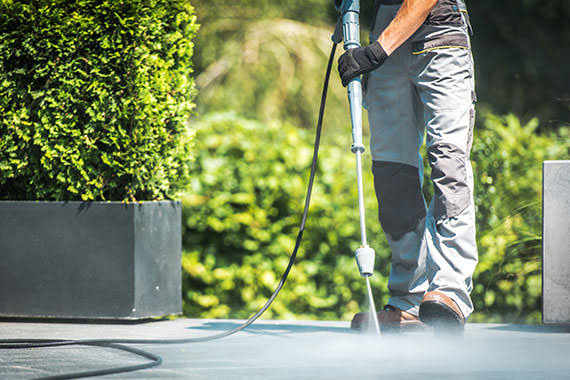
Professional high-pressure cleaning is recommended when outdoor surfaces develop stubborn dirt, mould, algae, moss, grease, or stains that regular cleaning cannot remove. It not only improves your property’s appearance but also helps protect surfaces from long-term damage, making it a worthwhile investment for homes and commercial properties.
First Impressions Start Outside
The exterior of a property is constantly exposed to changing weather, vehicle pollution, foot traffic, falling leaves, and organic growth. Over time, these elements leave behind dirt, grime, mould, algae, and stains that gradually affect both the appearance and condition of outdoor surfaces.
Many property owners don’t realise how quickly these contaminants can build up until driveways become slippery, patios lose their original colour, or walls begin showing dark streaks. While routine maintenance helps, some cleaning tasks require specialised equipment and expertise to restore surfaces safely and effectively.
Professional high pressure cleaning removes built-up contaminants without relying on harsh chemicals for every situation. More importantly, it helps preserve the lifespan of outdoor surfaces while creating a cleaner, more welcoming environment.
What Is High Pressure Cleaning?
High pressure cleaning uses specialised equipment to deliver water at controlled pressure, removing stubborn dirt, mould, mildew, algae, grease, moss, and other contaminants from hard surfaces.
Unlike using a standard garden hose, professional equipment provides consistent pressure that reaches deep into textured surfaces while allowing operators to adjust settings according to the material being cleaned. This helps achieve better results while reducing the risk of unnecessary surface damage.
Common surfaces include:
- Concrete driveways
- Footpaths
- Paved areas
- Brick walls
- Retaining walls
- Outdoor entertaining areas
- Pool surrounds
- Building exteriors
- Commercial entryways
What Are the Signs Your Property Needs High Pressure Cleaning?
Some signs are obvious, while others develop gradually over time.
Outdoor surfaces look dull and discoloured.
Concrete, pavers and bricks naturally collect dirt and airborne pollutants. If surfaces appear darker than usual or have uneven colouring, accumulated grime may be the cause rather than permanent ageing.
Mould, moss or algae are becoming visible.e
Moisture encourages organic growth, especially in shaded areas. Besides affecting appearance, algae and moss can create slippery surfaces that increase the risk of accidents.
Stubborn stains remain after normal cleaning.ng
Oil stains, tyre marks, rust, food spills and built-up grime often require more than household cleaning products. Professional equipment can remove many of these stains more effectively.
Slippery pathways become a safety concern.
Outdoor walkways covered in algae or moss become hazardous, particularly during wet weather. Regular cleaning helps improve traction and reduce slip hazards.
You’re preparing the property for sale or lease.e
A clean exterior creates a stronger first impression for buyers, tenants and visitors. Even simple improvements to outdoor areas can enhance the property’s presentation.
Why Sydney Properties Often Require More Frequent Cleaning
Sydney’s climate creates ideal conditions for outdoor contamination.
Coastal moisture, seasonal rainfall, tree cover,ge and humidity all contribute to faster mould and algae growth. Properties located near busy roads may also collect additional dust and pollution, while homes surrounded by trees often experience staining from leaf debris and organic matter.
Because environmental conditions vary across Sydney, some properties benefit from professional high-pressure cleaning every 12 months, while others may require more frequent maintenance depending on their location and surrounding landscape.
Which Areas Around a Property Benefit the Most?
Certain surfaces experience heavier wear than others.
Driveways
Driveways collect oil leaks, tyre marks, dirt and vehicle residue that gradually become difficult to remove.
Pathways
Foot traffic carries mud, dust and organic matter onto pathways, causing gradual discolouration.
Patios and entertaining areas
Outdoor entertaining spaces are regularly exposed to food spills, drinks, furniture stains and weather-related grime.
Pool surrounds
Pool areas often develop algae because of constant moisture, making routine cleaning important for both appearance and safety.
Building exteriors
Dust, pollution, cobwebs and mildew slowly accumulate on walls, reducing curb appeal.
DIY Cleaning vs Professional High Pressure Cleaning
Many homeowners consider hiring a pressure washer themselves. While this can work for light cleaning, professional services offer several advantages.
|
DIY Pressure Cleaning |
Professional High Pressure Cleaning |
|
Limited equipment performance |
Commercial-grade equipment for consistent results |
|
Risk of damaging delicate surfaces |
Pressure adjusted to suit each surface |
|
Takes considerable time and effort |
Faster and more efficient cleaning |
|
May leave uneven results |
Uniform finish across large areas |
|
Limited experience with different materials |
Experienced operators understand various surface types |
Professional cleaners also know when lower pressure methods are more appropriate, reducing unnecessary wear on sensitive materials.
Can High Pressure Cleaning Help Prevent Property Damage?
Yes. Cleaning is about more than appearance.
Organic growth such as moss and algae traps moisture against surfaces. Over time, this moisture can contribute to deterioration, staining and premature ageing.
Regular maintenance also removes debris that may block drainage areas, create slippery surfaces or encourage further biological growth.
While high pressure cleaning cannot repair existing damage, it helps prevent many problems from becoming worse through ongoing neglect.
How Often Should a Property Be Professionally Cleaned?
There is no universal schedule because every property experiences different environmental conditions.
As a general guide:
- Residential driveways: every 12 to 24 months
- Commercial entrances: every 6 to 12 months
- Pool surrounds: annually or as required
- Outdoor entertaining areas: every 12 months
- High-traffic commercial spaces: more frequent maintenance may be beneficial
Properties surrounded by trees, located near the coast or exposed to heavy traffic may require cleaning more regularly.
What Should You Look for When Hiring a High Pressure Cleaning Company?
Choosing the right provider helps ensure quality results without unnecessary risk.
Consider whether the company:
- Uses commercial-grade equipment
- Understands different surface materials
- Adjusts pressure according to the surface
- Is fully insured
- Has experience with residential and commercial properties
- Provides clear quotations
- Has positive customer reviews
- Follows safe cleaning practices
An experienced professional will assess each surface before starting work rather than applying the same pressure to every area.
Keeping Outdoor Surfaces Looking Their Best
Professional high-pressure cleaning is one of the simplest ways to maintain the appearance, safety and longevity of outdoor surfaces. Whether you’re preparing a property for sale, improving curb appeal or simply keeping your home well maintained, regular cleaning removes stubborn contaminants before they cause lasting damage.
For Sydney property owners, where weather conditions often encourage mould, algae and grime buildup, scheduled exterior cleaning can help preserve both the presentation and value of residential and commercial properties throughout the year.
Frequently Asked Questions
How often should high pressure cleaning be carried out?
Most residential properties benefit every 12 to 24 months, while commercial properties and high-traffic areas may require more frequent cleaning depending on environmental conditions and surface exposure.
Is high pressure cleaning safe for all outdoor surfaces?
Professional operators adjust water pressure to suit different materials, helping clean concrete, brick, pavers and other surfaces safely while reducing the risk of unnecessary damage.
Can high pressure cleaning remove mould and algae?
Yes. Professional high pressure cleaning effectively removes mould, algae, moss and accumulated grime from many outdoor surfaces, improving appearance while reducing slippery conditions around the property.
Will high pressure cleaning increase my property’s value?
Although it doesn’t directly increase market value, a cleaner exterior improves street appeal, creating a stronger first impression for buyers, tenants and visitors.
Is professional high pressure cleaning better than hiring equipment myself?
Professional services combine commercial equipment, experience and appropriate cleaning techniques, often delivering safer, faster and more consistent results than DIY pressure washing.
Can high pressure cleaning remove oil stains from driveways?
Many oil stains can be significantly reduced or removed using professional equipment and suitable cleaning methods, although older stains may require specialised treatment.
Does weather affect when high pressure cleaning should be scheduled?
Yes. Dry weather generally provides better cleaning conditions and allows surfaces to dry more quickly, although professionals can advise on suitable timing throughout the year.
Can commercial properties benefit from regular high pressure cleaning?
Yes. Regular cleaning helps businesses maintain professional-looking entrances, safer walkways and cleaner outdoor areas, creating a positive impression for customers and staff.
 singhal123
  faisalahmad