
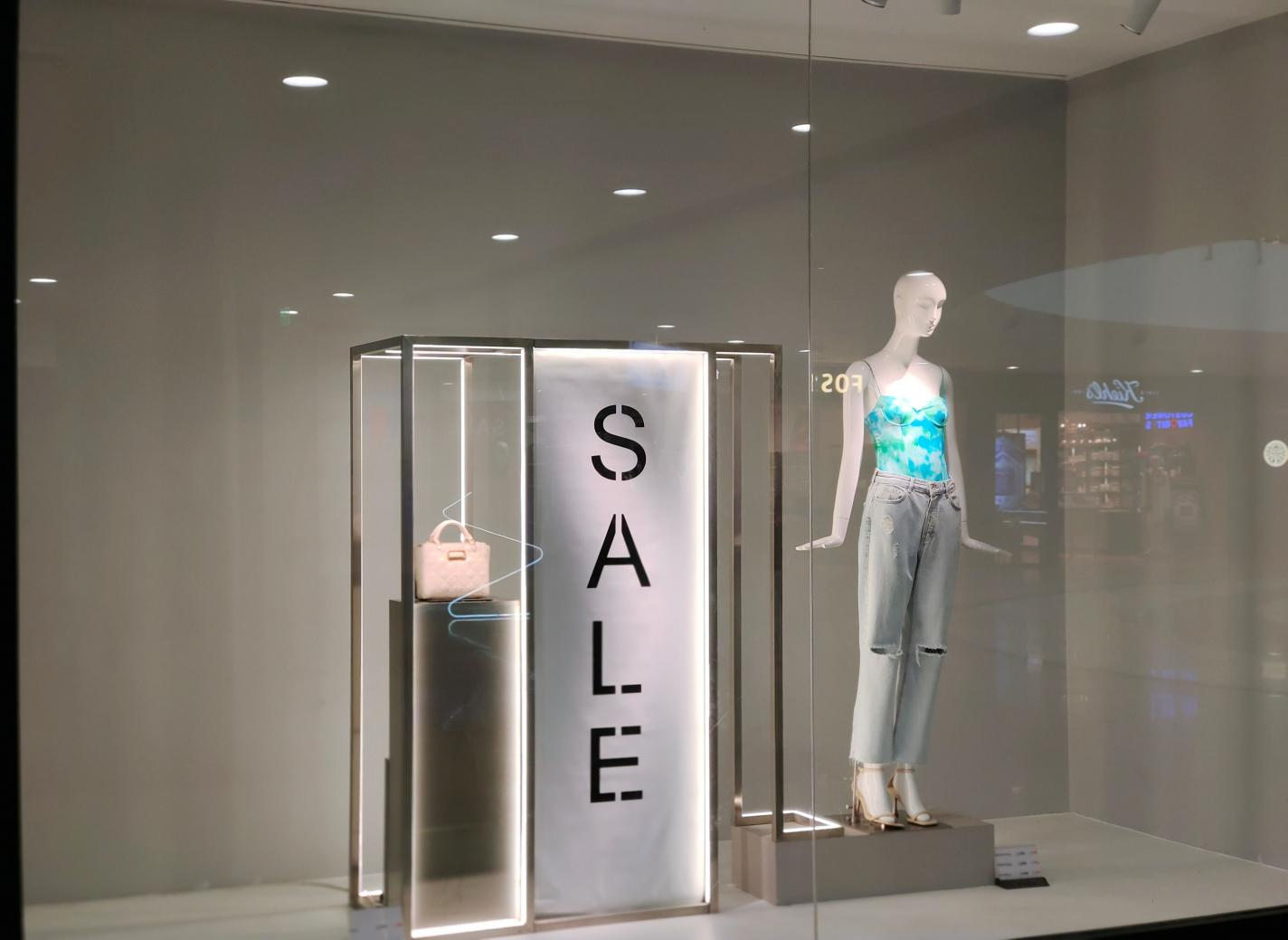
Shopping centres have evolved far beyond traditional retail destinations. Today, they are dynamic environments where consumers shop, dine, socialise, and spend significant time throughout the day. This makes them valuable spaces for businesses looking to connect with audiences in a physical environment. Shopping centre advertising, including in-mall promotions and retail media, provides an opportunity to reach consumers at different stages of their purchasing journey.
People don’t visit shopping centres just to make a purchase. They browse, compare products, grab a coffee and spend time exploring different stores. That creates plenty of opportunities for businesses to place their brand in front of shoppers at various points throughout their visit, whether through digital screens, promotional displays, or advertising near retail outlets.
This guide discusses the different in-mall and retail media options available to help businesses choose placements that align with their audience, campaign objectives, and marketing strategy.
Understanding In-Mall and Retail Media
In-mall advertising includes the various advertising formats placed throughout a shopping centre to reach shoppers during their visit. These can range from digital screens and interactive directories to banners, escalator panels, lift advertising, car park signage and promotional displays. The right format depends on factors such as the campaign objective, target audience and where businesses want to maximise visibility within the centre.
Retail media is a broader concept that uses shopping environments and consumer behaviour to deliver targeted advertising. It can combine physical advertising placements with digital channels, audience data and purchasing insights. This allows advertisers to reach consumers based on factors such as location, shopping behaviour and the types of products they are likely to consider.
Why Shopping Centres Are Valuable Advertising Environments
Shopping centres offer a unique combination of high foot traffic, extended dwell time and multiple consumer touchpoints. Unlike roadside advertising, where people may only see a message for a few seconds, shopping centre audiences often have more time to notice and absorb advertising content.
Consumers may encounter advertising when entering a centre, walking through common areas, using escalators, visiting food courts or leaving through car parks. This repeated exposure can help improve brand recognition and message recall.
Shopping centres also attract a broad range of demographics. Depending on the location, advertisers may be able to reach families, professionals, students, tourists, residents and high-value shoppers within the same environment.
Common Types of Shopping Centre Advertising
Shopping centres offer a wide range of advertising formats, allowing businesses to choose placements that suit their audience and campaign goals. Common options include:
- Digital screens: Increasingly popular for displaying videos, animations, changing messages and time-sensitive promotions.
- Static advertising: Including posters, banners and large-format displays that provide strong visibility in high-traffic areas.
- Lift, escalator, entrance, food court, and car park advertising: These placements can be selected based on the target audience, campaign objective, and location within the shopping centre.
- Promotional activations: Product demonstrations, sampling campaigns, pop-up displays and experiential installations that encourage consumers to engage directly with a campaign rather than simply viewing an advertisement.
How Retail Media Supports the Customer Journey
One of the key advantages of retail media is its ability to reach consumers close to the point of purchase. A shopper may see an advertisement before entering a centre, notice a second message while walking through a retail precinct and then encounter a final reminder near a relevant store or product category.
Most people don’t head straight to one store and leave. As they move through the centre, they’re likely to come across the same campaign more than once, making it easier to remember later.
The physical environment also provides important context. An advertisement for a food product, fashion item, technology product or financial service may be more relevant when seen in an environment where consumers are already thinking about shopping and spending.
The Role of Digital Technology
Walk through most shopping centres today, and you’ll notice digital screens displaying everything from brand campaigns to seasonal promotions. Unlike printed signage, the content can be updated whenever needed, giving businesses greater flexibility throughout a campaign.
Advertisers can tailor messages to particular periods, such as morning, lunchtime, evenings or weekends. This can make campaigns more relevant to the audience and help ensure that messages appear when they are most likely to have an impact.
Digital retail media can also support more measurable campaigns. Depending on the advertising format and available data, advertisers may be able to assess metrics such as impressions, engagement, audience reach, and campaign performance.
Combining Shopping Centre Advertising with Other Channels
Shopping centre advertising can work particularly well as part of a wider marketing strategy. Consumers are exposed to messages across multiple environments, including online platforms, social media, television, radio, and outdoor advertising Australia campaigns.
A consistent message across different channels can strengthen brand recall and create a more connected customer experience. For example, a consumer may first see a campaign online, encounter the same creative message while travelling, and then see it again while shopping at a local centre.
Creating More Effective In-Mall Campaigns
Successful shopping centre advertising begins with a clear understanding of the target audience. Advertisers should consider who visits the centre, when they are most likely to be present, and what types of messages are most relevant to them.
Creative content should also be simple and easy to understand. Consumers may have only a short time to view an advertisement while walking through a busy environment. Strong visuals, concise messaging and a clear call to action can improve the chances of capturing attention.
Location is another important consideration. Advertising placed near entrances, escalators, food courts and other high-traffic areas may benefit from greater visibility. However, a highly targeted placement near a relevant retail category can also be effective, even if it does not receive the highest overall foot traffic.
Measuring Campaign Performance
Measuring the performance of a shopping centre advertising campaign can help advertisers understand whether their investment is achieving its objectives. Key performance indicators may include audience reach, estimated impressions, engagement, website visits, enquiries and sales activity.
For campaigns focused on awareness, brand recognition and audience exposure may be the primary goals. For campaigns designed to generate immediate action, advertisers may focus more closely on visits, enquiries, conversions or promotional redemptions.
Not every shopper will purchase after seeing an advertisement once. Even so, seeing the same brand over time can make it easier to recognise and remember when they’re ready to buy.
Shopping centre advertising offers a powerful way to connect with consumers in a high-engagement physical environment. By combining in-mall advertising placements, digital retail media and carefully planned creative campaigns, businesses can reach audiences while they are actively shopping, browsing and making purchasing decisions.
Shopping centre advertising allows businesses to connect with consumers while they’re already out shopping. Whether it’s through digital screens, promotional activations or other in-mall advertising formats, the right approach depends on your audience, campaign goals and the locations you choose. As retail media continues to evolve, shopping centres are likely to remain an important part of many advertising strategies.
 smithsjons
  Maid Services Provider