
Introduction
A Recovery Room After Surgery is a specialized area where patients are closely observed immediately after a surgical procedure. During this time, healthcare professionals monitor recovery from anesthesia, assess vital signs, manage pain, and ensure there are no immediate complications. The duration of a patient’s stay depends on several medical factors, and they remain in the recovery room until they are considered stable enough to move to the next stage of care.
Type of Surgical Procedure
The type of surgery significantly affects recovery time.
Patients undergoing minor procedures often recover more quickly, while those who have major or complex surgeries may require extended observation before leaving the recovery room.
The complexity of surgery influences the length of stay.
Recovery From Anesthesia
Patients must recover safely from anesthesia before they can leave.
Healthcare professionals monitor alertness, consciousness, breathing, and responsiveness until the effects of anesthesia have completely worn off.
Safe anesthesia recovery is essential for discharge.
Vital Sign Stability
Continuous monitoring helps determine recovery progress.
Medical staff regularly assess heart rate, blood pressure, oxygen saturation (SpO₂), respiratory rate, ECG, and body temperature to confirm that the patient’s condition is stable.
Stable vital signs indicate readiness for transfer.
Pain Management
Pain levels are evaluated throughout recovery.
Healthcare professionals provide prescribed pain medications and monitor the patient’s comfort before deciding whether additional observation is required.
Effective pain management supports smoother recovery.
Respiratory Assessment
Breathing is carefully observed after surgery.
Patients who require oxygen therapy or additional respiratory support remain in the recovery room until their breathing becomes stable and oxygen levels return to normal.
Respiratory stability improves patient safety.
Observation for Post-Operative Complications
Medical teams monitor for possible complications.
Patients are observed for excessive bleeding, abnormal heart rhythms, allergic reactions, nausea, vomiting, or delayed recovery from anesthesia.
Early identification allows prompt treatment.
Individual Health Condition
Every patient’s recovery is unique.
Age, overall health, existing medical conditions, and physical condition may influence how long observation is required after surgery.
Individual assessment ensures personalized patient care.
Transfer or Discharge Evaluation
Patients are assessed before leaving the recovery room.
Healthcare professionals confirm that vital signs are stable, pain is controlled, breathing is normal, and recovery from anesthesia is complete before approving transfer or discharge.
Careful evaluation promotes safe patient movement.
Typical Recovery Duration
Recovery room stays vary from patient to patient.
Many patients remain in the recovery room for approximately one to two hours. However, patients recovering from major surgery or requiring additional monitoring may stay longer based on their medical condition.
Recovery duration depends on patient stability rather than a fixed schedule.
Continuous Professional Supervision
Patients receive constant medical attention throughout recovery.
Recovery rooms are supervised by trained nurses, anesthesiologists, and healthcare professionals who monitor patient progress and provide immediate care whenever necessary.
Professional supervision enhances patient safety.
Conclusion
The length of time patients stay in a recovery room after surgery depends on the type of surgery, recovery from anesthesia, vital sign stability, pain management, respiratory function, overall health, and recovery progress. Healthcare professionals continuously evaluate each patient to ensure they are medically stable before transferring them to another hospital unit or allowing discharge.
FAQs
1. How long do patients stay in a Recovery Room After Surgery?
Patients in a Recovery Room After Surgery typically stay for about one to two hours, although the duration may vary depending on the type of surgery, anesthesia, overall health, and recovery progress.
2. Why do patients stay in the recovery room after surgery?
Patients remain in the recovery room so healthcare professionals can monitor vital signs, manage pain, observe recovery from anesthesia, and detect any early complications.
3. What factors determine how long a patient stays in the recovery room?
The type of surgery, anesthesia used, patient health, vital sign stability, breathing, pain levels, and recovery pr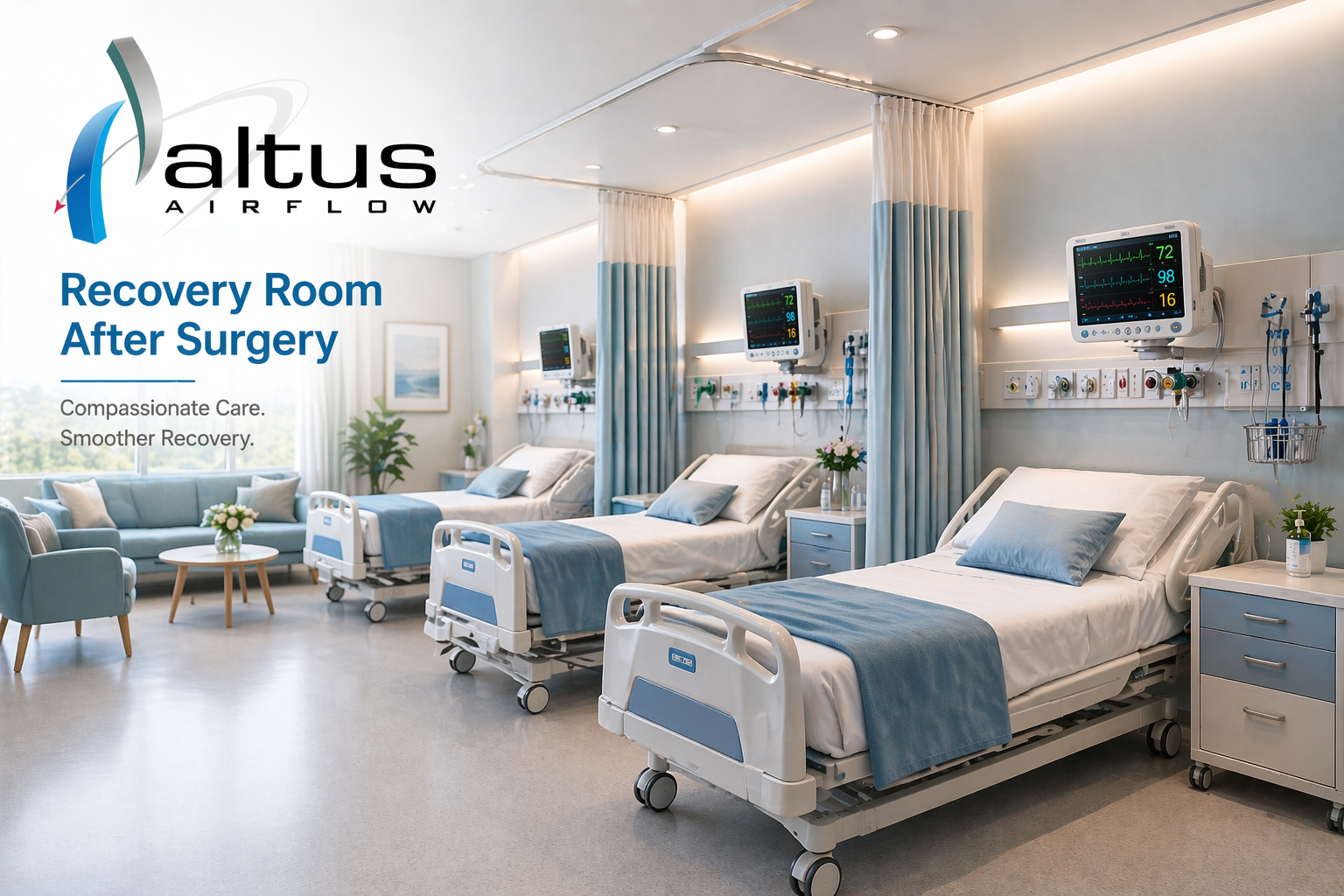 ogress all influence the length of stay.
4. Can a patient leave the recovery room immediately after surgery?
No. Patients are transferred or discharged only after healthcare professionals confirm that they are medically stable and have recovered sufficiently from anesthesia.
5. What is monitored during recovery after surgery?
Healthcare professionals monitor heart rate, blood pressure, oxygen saturation, respiratory rate, body temperature, pain levels, and overall recovery from anesthesia.
Read Our Previous Blog———–>How do PICU Manufacturers In India support pediatric critical care?
 alinaiqbal
  adorisohagi91@gmail.com
  Zenith Immigration