
Let’s be honest — nobody thinks about pest control until they spot something scuttling across the kitchen floor at 11 pm. But if you live in Chennai and you’ve noticed your home feels grimier during monsoon no matter how much you clean, I’d bet pests are quietly part of that story.
Here’s what took me a while to really get: hygiene isn’t just about mopping and wiping counters. It’s also about what’s living behind your walls, under the sink, and inside that cabinet you haven’t opened in a month.
Why Rain Brings More Than Just Water Indoors
Monsoon is basically a welcome party for pests, whether we like it or not.
- Waterlogging pushes cockroaches, ants, and rodents straight out of drains and into your home
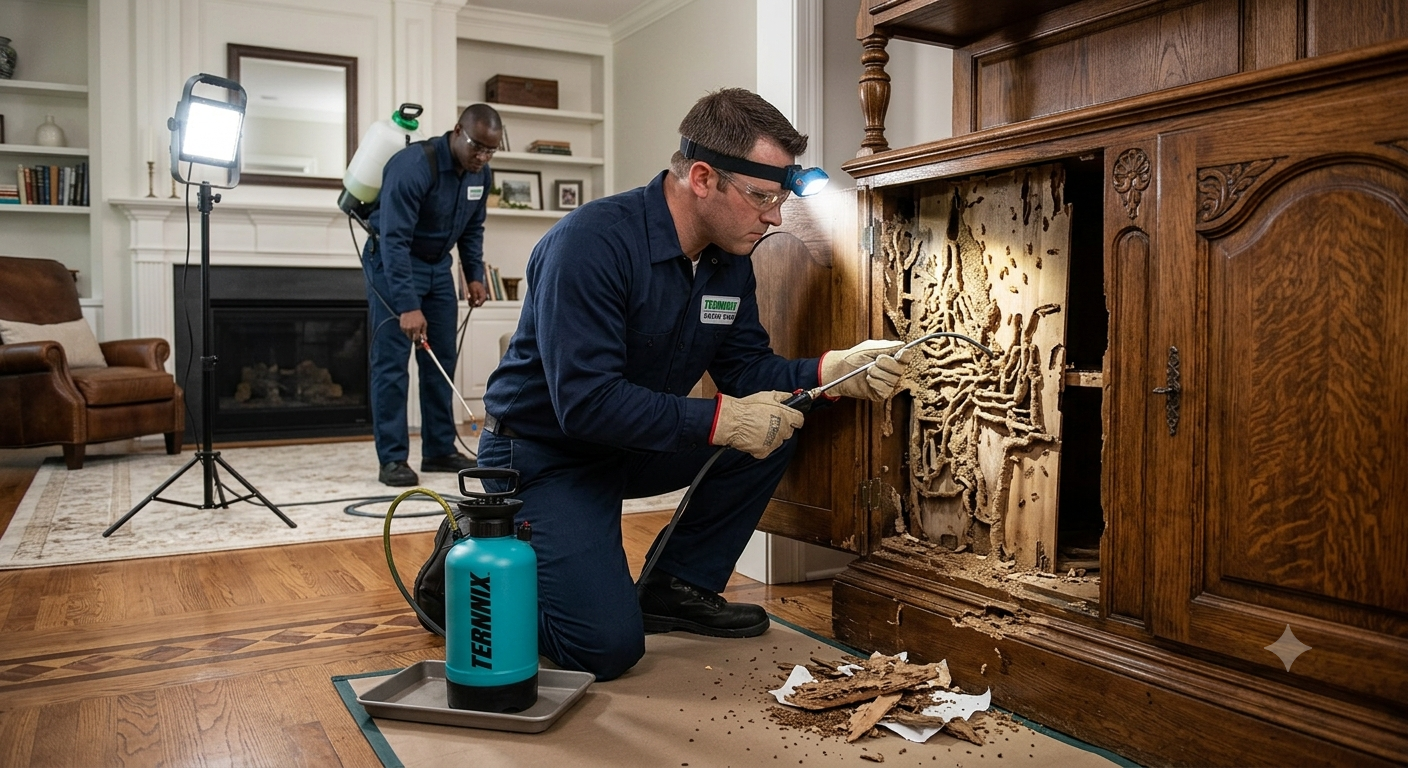
- Humidity spikes termite activity — damp wood is just easier for them to chew through
- Standing water turns into a mosquito nursery within days, sometimes less
- Food storage areas become magnets for pests hunting for dry shelter
What I’ve noticed talking to homeowners is that most people only reach out after they’ve spotted something — a roach darting across the counter, or that unsettling hollow sound when you knock on a door frame. By that point, honestly, the infestation has usually already settled in.
The Hygiene Connection Nobody Really Talks About
Pests don’t just gross us out. They actively undo the work we put into keeping our homes clean.
- Cockroaches contaminate food surfaces and can trigger allergies or asthma, especially in kids
- Rodents track pathogens through their droppings and urine trails
- Termites weaken structural wood, and that damage often invites hidden mold
- Mosquitoes breed in the tiniest pools of stagnant water — even a neglected flowerpot works
So does pest control actually improve hygiene? In my experience, yes — but only when it’s regular, not a panic-fix after you’ve already seen a problem. A single spray gives you maybe a few weeks of relief. Real hygiene management means interrupting the pest life cycle before it even gets going.
This is exactly why consistent, professional Pest Control Chennai Anna Nagar homeowners rely on makes such a visible difference over a season. It’s less about reacting and more about never letting the problem take root.
One-Time Treatment vs Regular Pest Control
|
Factor |
One-Time Treatment |
Regular Pest Control |
|
Effectiveness during monsoon |
Wears off within weeks |
Holds up across the whole season |
|
Termite risk |
Often missed until damage shows |
Caught early via scheduled checks |
|
Cost over time |
Cheaper upfront, pricier long run |
Better value, fewer repeat visits |
|
Hygiene impact |
Short-lived |
Builds up over time |
|
Peace of mind |
Not much |
Genuinely reassuring |
Why JCS Pest Does Things a Little Differently
What I like about JCS Pest — and it’s a small thing that makes a big difference — is that they don’t just walk in, spray, and leave. They actually inspect first. Someone walks through your home, flags entry points, checks moisture-prone corners, and looks for existing damage before recommending a single thing. Only then do they build a plan around your specific house, not a generic template.
They also follow up, which sounds minor but matters more than people expect. Monsoon pest issues aren’t solved in a single visit — they shift as humidity and rainfall patterns change over weeks. And if termites are your specific worry, this same inspection-first approach is a big reason they’ve become known for Best Termite Control In Chennai, since termite damage tends to stay invisible right up until it’s expensive.
Trending Right Now: What I’m Seeing This Monsoon Season
A few patterns worth flagging, based on what’s actually happening around Anna Nagar and nearby pockets of the city right now:
- Termite swarms showing up earlier this year, likely tied to the longer pre-monsoon humid stretch
- More complaints about drain-borne cockroaches, particularly in older apartment blocks
- A noticeable shift toward quarterly AMC-style pest contracts instead of one-off call-outs
- Rising interest in low-odor, eco-friendly treatments from families with young kids or pets
Practical Tips to Keep Pests — and the Grime — Away This Season
- Seal cracks around windows, pipes, and door frames before the rains really pick up
- Fix leaking taps and clogged drains — standing water is basically an open invitation
- Store dry food in airtight containers, not just sealed bags (pests are patient)
- Don’t let wood furniture sit damp too long — check the undersides and corners
- Book a professional inspection at the start of monsoon, not after you’ve already spotted signs
None of this replaces professional treatment. But it definitely lightens the load on whatever pest control you do get.
FAQs
- How often should pest control be done during monsoon? Every 2–3 months works for most homes, though areas prone to waterlogging or near drains may need more frequent attention.
- Does regular pest control actually prevent termites, or just kill the ones you see? A solid termite program goes after the colony, not just the visible activity — which is exactly why inspection-led providers catch what spot-treatments tend to miss.
- Is pest control safe for homes with kids and pets during monsoon? Generally yes — most modern treatments are low-toxicity once dry, but it’s still worth checking re-entry timing with your provider directly.
- Can pest control really improve hygiene, or is that separate from cleaning? They work together, not against each other. Cleaning handles visible dirt; pest control removes the biological contamination — droppings, allergens, pathogens — that cleaning alone simply can’t reach.
- What’s the biggest mistake homeowners make during monsoon pest season? Waiting to see a pest before calling anyone. By that point, termite colonies or roach populations have often already settled in.
The Bottom Line
Rainy season hygiene just isn’t complete without pest management — the two are more tangled together than most of us assume. If you’re around Anna Nagar and haven’t had an inspection this season, honestly, now’s the time. A proactive plan beats a reactive scramble every single time — and it saves you both the cleanup and the worry down the line.
 lisaxda2511
  avahazel90
  mohammadjnaid