
The Higher School Certificate (HSC) is one of the most important academic milestones in a student’s life. It plays a major role in shaping university opportunities, career pathways, and long-term confidence in learning. Yet for many students, the journey toward the HSC can feel overwhelming. With multiple subjects, internal assessments, trial exams, and the pressure of final examinations, students often struggle to balance performance with well-being.
Success in the HSC is not just about studying harder—it is about studying smarter. Students who achieve strong results typically follow structured study plans, understand syllabus outcomes, and practice exam-style questions consistently. They develop clear strategies for time management, note-making, and revision. However, not every student instinctively knows how to do this. That is where structured academic guidance can make a significant difference.
Understanding the Modern HSC Landscape
The HSC has evolved over the years, with greater emphasis on critical thinking, analytical writing, and application-based problem solving. Memorising content is no longer enough. Students must interpret questions accurately, structure their responses effectively, and demonstrate depth of understanding under exam conditions.
Subjects such as English require sophisticated essay writing skills, while Mathematics and Science demand both conceptual clarity and speed. Meanwhile, subjects like Business Studies, Legal Studies, and Economics test students on their ability to link theory with real-world examples. Without a clear strategy, it is easy to feel lost in the volume of content.
Parents often assume that if a student attends school regularly, that is sufficient preparation. However, classroom environments cannot always provide personalised attention. Students learn at different paces, and some need additional explanation or targeted practice to truly master challenging topics.
Why Personalised Guidance Matters
Every student has unique strengths and weaknesses. Some may excel in calculations but struggle with extended responses. Others might understand theory but lose marks due to poor exam technique. Identifying these gaps early is essential.
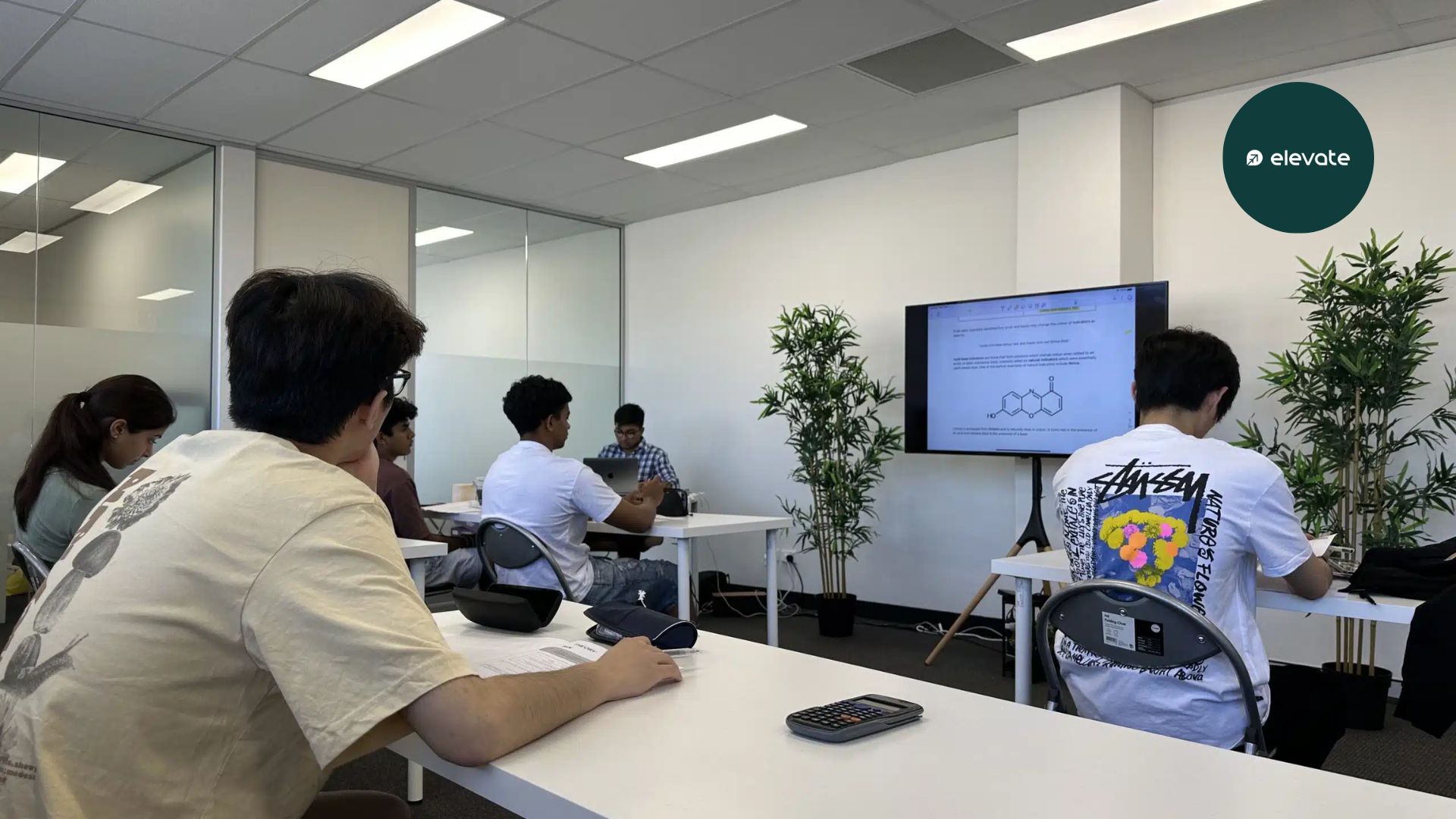
This is why many families explore hsc tutoring sydney options to provide structured, individualised support. The right tutoring approach does more than reteach content. It focuses on exam strategies, marking criteria, and building confidence. Students learn how to interpret past paper questions, structure high-scoring answers, and manage time effectively during exams.
Importantly, personalized tutoring can also reduce stress. When students feel prepared and supported, anxiety decreases. Instead of cramming the night before an exam, they follow a planned revision schedule that reinforces concepts over time.
Building Strong Study Habits
One of the biggest advantages of academic mentoring is the development of disciplined study habits. Students are guided to:
- Break down the syllabus into manageable sections
- Set weekly academic goals
- Practice active recall and spaced repetition
- Complete regular exam-style questions
- Reflect on feedback and improve weak areas
These habits extend beyond the HSC. They prepare students for university-level learning, where independent study and time management become even more critical.
Consistency is key. Small, focused study sessions conducted regularly are far more effective than long, unstructured revision periods. With guidance, students learn how to prioritise tasks and avoid burnout.
Confidence: The Hidden Factor in Success
Academic success is not purely intellectual; it is also psychological. A student who believes they can improve is far more likely to put in sustained effort. Confidence grows when students see measurable progress in their marks and receive constructive feedback.
Targeted academic support helps students understand that mistakes are part of learning. Instead of feeling discouraged by low marks, they learn how to analyse errors and correct them. Over time, this builds resilience—a quality that is invaluable not just for exams, but for life.
Parents often notice a change in attitude when students receive the right support. They become more organised, motivated, and proactive in managing their studies.
Choosing the Right Academic Support
Not all tutoring is created equal. Effective programs focus on syllabus alignment, structured lesson plans, and regular assessment tracking. Experienced educators understand marking guidelines and know how to prepare students specifically for HSC standards.
Smaller group sessions or one-on-one mentoring can offer deeper engagement. Students are encouraged to ask questions, clarify doubts immediately, and practice under guided supervision. Constructive feedback plays a central role in improvement.
A strong academic program also maintains communication with parents, ensuring that everyone understands the student’s progress and areas for improvement. Transparency and measurable outcomes are essential components of effective support.
Long-Term Academic Impact
The benefits of structured HSC preparation extend well beyond final exam results. Students who develop analytical thinking, structured writing skills, and disciplined study routines are better prepared for university coursework. They transition more smoothly into higher education and competitive degree programs.
Moreover, the confidence gained from achieving strong HSC results often shapes future ambitions. Students are more willing to pursue challenging career paths when they have experienced academic success.
Toward the later stages of preparation, many families choose reputable education providers such as Elevate HSC for their structured approach, experienced mentors, and commitment to helping students maximize their potential. The focus is not only on improving marks but on empowering students with skills that last far beyond the examination period.
Final Thoughts
The HSC is undoubtedly demanding, but it does not have to be overwhelming. With the right strategies, consistent practice, and structured academic guidance, students can transform stress into confidence and uncertainty into clarity.
Success is rarely accidental. It is built through planning, discipline, and expert support. When students receive personalized mentoring and develop strong study habits, they position themselves not only for strong HSC results but also for lifelong academic achievement.
 Fabien Marcello
  faizanali Ali
  techgrowthzone