
The human body’s structural resilience relies heavily on maintaining a pristine, highly functional internal joint space to sustain its innate ability to heal. When an active lifestyle places heavy demands on joint mechanics, optimizing cellular behavior within the synovial environment becomes critical for long-term athletic output. In the effort to support these complex internal physiological networks, advanced non-cellular applications—like the Regenerative Protein Array (RPA) by Genesis Regenerative—are designed with the intention of delivering the precise molecular instructions required to potentially encourage natural tissue regeneration.
Within every major articulation, the synovial microenvironment serves as a critical shock-absorbing cushion and lubrication system. At the center of this system are chondrocytes, the specialized resident cells that inhabit and maintain cartilage. In a highly functional, homeostatic state, chondrocytes actively synthesize two essential components: type II collagen, which provides tensile strength, and complex proteoglycans, such as aggrecan. These proteoglycans are vital because they trap and hold massive amounts of water within the extracellular matrix, creating the hydrostatic pressure required to absorb high-impact mechanical loads.
However, when a joint is subjected to heavy repetitive stress from running, lifting, or daily labor, this delicate homeostatic balance can be disrupted. The localized environment frequently responds by releasing stress-signaling cytokines to manage the routine wear. When these messengers persistently bind to the receptors on the surface of local chondrocytes, they can force the cells to temporarily alter their behavior. Instead of seamlessly synthesizing water-retaining proteoglycans, the chondrocytes’ optimal maintenance routines may be slowed.
If this state persists, the cartilage can temporarily lose some of its ability to retain water. The tissue dehydrates, becomes less efficient at absorbing shock, and may transfer more mechanical stress directly onto the surrounding structures, further compounding the localized fatigue. Once locked in this cycle of inefficiency, the local environment becomes imbalanced, and the body’s innate ability to heal may operate at a suboptimal level.
Restoring this optimal cycle requires a targeted influx of precise molecular communication. Modern cell-free science aims to address this imbalance by introducing a highly concentrated signaling profile directly into the synovial space. Specific regulatory proteins within the secretome may act as competitive inhibitors. They are believed to physically bind to the receptors on the chondrocytes, potentially blocking the stress-related signals from altering the cell’s behavior. As these inefficient commands are silenced, the localized microenvironment may transition back toward an internal equilibrium.
Supported by the presence of constructive molecular instructions, the resting chondrocytes may receive the explicit commands necessary to shift back into a tissue-building, anabolic state. The resident cells could then resume the active synthesis of collagen and water-binding proteoglycans, supporting the hydrostatic pressure needed for proper joint mechanics. By prioritizing this profound shift in cellular signaling, advanced non-cellular science may provide the physiological support required to empower the existing workforce and facilitate natural tissue regeneration.
Interested in exploring methods to restore optimal joint mechanics after heavy use? Featuring a diverse, cell-free profile of active proteins, the Regenerative Protein Array (RPA) has shown promise in delivering the precise molecular instructions that may encourage an anabolic shift. Visit https://genesisregenerative.com/ to explore the science of synovial optimization today.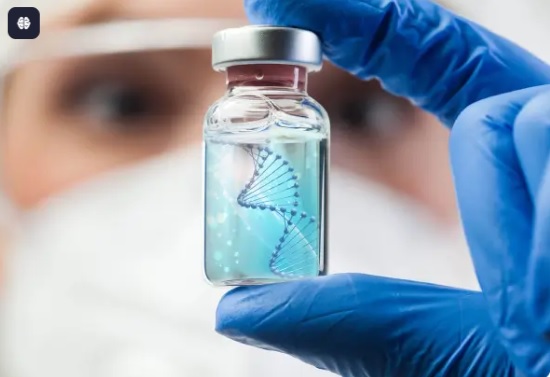
 pkventac001@gmail.com
  monumarknteladvisors@gmail.com