
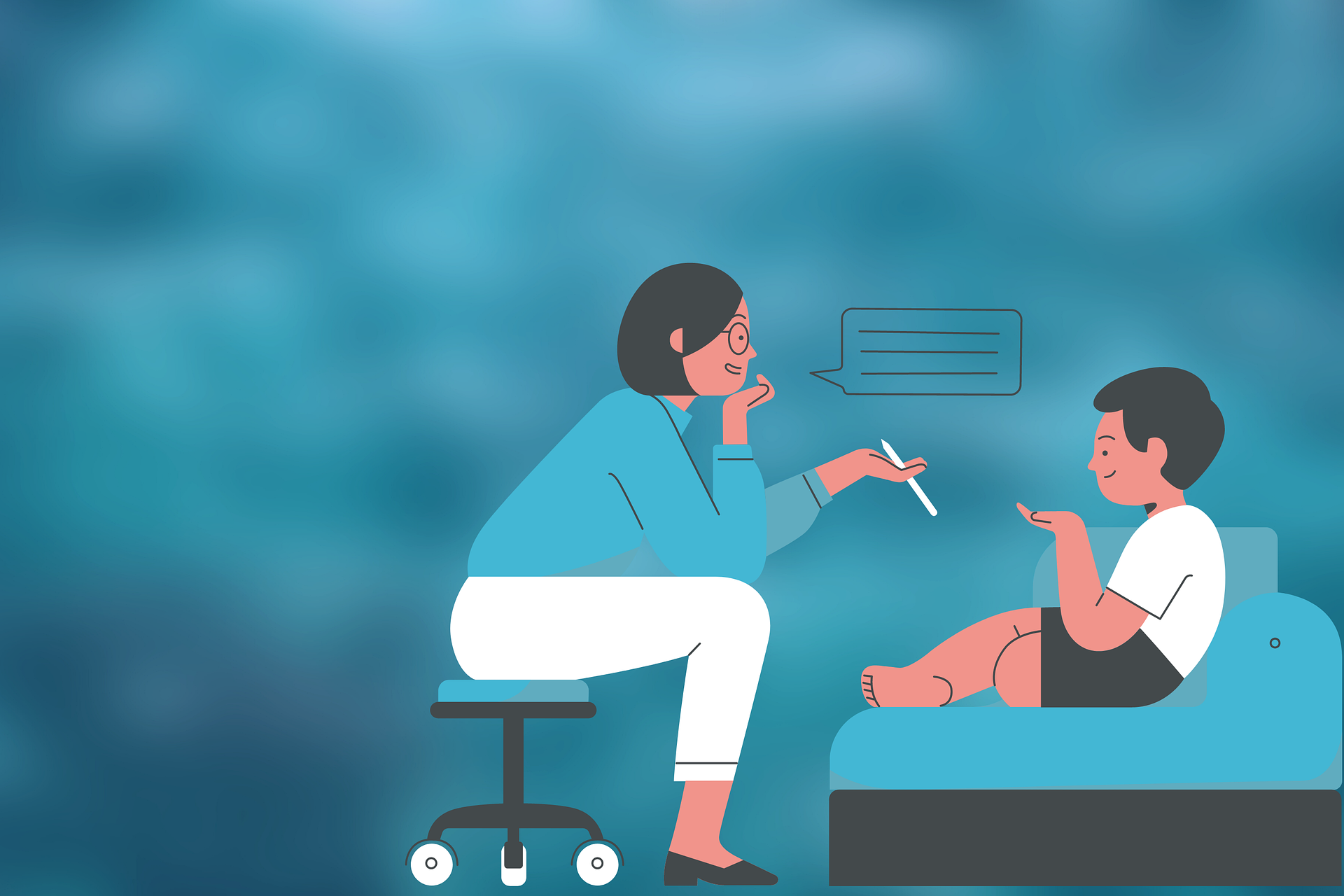
In recent years, online therapy for bipolar disorder has transformed how individuals access mental health care, making consistent support more flexible, private, and widely available. Bipolar disorder, characterized by alternating episodes of mania, hypomania, and depression, often requires long-term management through therapy, medication, and structured lifestyle support. However, traditional in-person care is not always accessible due to location, cost, stigma, or time constraints. Online therapy has emerged as a practical alternative that helps bridge this gap while maintaining clinical effectiveness.
Alongside this shift, related digital mental health services such as ptsd therapy online, online counseling for bipolar disorder, and teletherapy for mood disorders have expanded, allowing individuals with overlapping conditions or trauma histories to receive care from licensed professionals without geographic limitations. This broader digital ecosystem is reshaping mental health support into something more continuous, adaptive, and patient-centered.
Understanding Bipolar Disorder and Its Treatment Needs
Bipolar disorder is not a one-size-fits-all condition. Its symptoms vary significantly between individuals and even within the same person over time. Effective treatment typically involves a combination of medication management and psychotherapy, particularly Cognitive Behavioral Therapy (CBT), Interpersonal and Social Rhythm Therapy (IPSRT), and psychoeducation.
Therapy plays a crucial role in helping individuals:
- Identify early warning signs of mood shifts
- Develop coping strategies for emotional regulation
- Maintain daily routines that stabilize mood cycles
- Improve communication and relationship management
However, consistency is key. Missed sessions or inconsistent follow-ups can disrupt progress, which is why accessibility through online platforms has become so valuable.
The Role of Online Therapy in Modern Mental Health Care
Online therapy delivers psychological support through video calls, messaging platforms, or hybrid models. For individuals with bipolar disorder, this format offers several advantages that align with the unpredictable nature of the condition.
Improved Accessibility and Continuity of Care
One of the most significant benefits of online therapy is accessibility. Individuals in rural or underserved areas often struggle to find specialized psychiatric care. Online platforms remove this barrier by connecting patients with licensed therapists regardless of location.
Continuity of care is another major advantage. During depressive episodes, leaving home or attending appointments may feel overwhelming. Conversely, during manic phases, individuals may underestimate their need for treatment. Online therapy reduces the likelihood of missed sessions, supporting more stable long-term management.
Flexible Scheduling for Mood Variability
Bipolar disorder often disrupts regular routines. Online therapy allows scheduling flexibility that can accommodate fluctuations in energy, sleep, and motivation. Evening sessions, shorter check-ins, or asynchronous messaging support can help patients stay engaged even during difficult periods.
This adaptability improves adherence to treatment plans, which is critical in preventing relapse.
Reduced Stigma and Increased Comfort
Despite growing awareness, mental health stigma remains a barrier to seeking help. Online therapy offers a more private setting, allowing individuals to engage in treatment from their own environment. This sense of control and anonymity can encourage earlier intervention and more honest communication with therapists.
Creating a Supportive Environment for Online Therapy
While online therapy provides the framework, the surrounding environment plays a vital role in treatment success. A supportive setup can enhance focus, emotional safety, and engagement during sessions.
Establishing a Dedicated Therapy Space
Having a consistent, quiet space for therapy sessions helps create psychological boundaries between treatment and daily life. This space does not need to be elaborate—a private room or even a designated corner can be effective. The key is consistency, as it signals to the brain that it is time to focus on emotional processing and reflection.
Encouraging Family and Social Awareness
Bipolar disorder affects not only the individual but also their support system. Educating family members about the condition can reduce misunderstandings and improve communication. When appropriate, involving trusted relatives in psychoeducation sessions can help them recognize mood changes and respond constructively.
However, boundaries are equally important. The individual in therapy should maintain control over how much information is shared and with whom.
Maintaining Routine and Structure
A stable daily routine is one of the most effective tools for managing bipolar disorder. Therapists often emphasize sleep hygiene, regular meals, exercise, and consistent work or study schedules. Online therapy platforms may include digital tools or reminders to reinforce these habits.
Structured routines help regulate circadian rhythms, which are closely linked to mood stability.
Clinical Effectiveness of Online Therapy
Research has shown that online therapy can be as effective as in-person therapy for many mental health conditions, including mood disorders. Studies indicate that patients receiving teletherapy often report similar improvements in symptom management, emotional regulation, and treatment satisfaction.
For bipolar disorder specifically, consistency of engagement is a key predictor of outcomes. Online therapy improves engagement rates by reducing logistical barriers such as travel time and scheduling conflicts.
Additionally, digital tools integrated into therapy platforms—such as mood tracking apps, journaling features, and medication reminders—enhance self-monitoring, which is essential for early intervention during mood shifts.
Challenges and Considerations
Despite its benefits, online therapy is not without limitations. Severe manic or depressive episodes may still require in-person intervention or hospitalization. Additionally, technology access and digital literacy can affect the quality of care for some individuals.
Privacy is another consideration. While most platforms use secure encryption, users must ensure they are in a private environment during sessions to maintain confidentiality.
Therapists also need to adapt their assessment techniques, as non-verbal cues may be harder to observe through video platforms. This requires additional clinical training and attentiveness.
The Future of Digital Mental Health Support
The evolution of online therapy is part of a broader shift toward integrated digital healthcare. As technology advances, tools like AI-assisted mood tracking, wearable devices, and real-time crisis alerts may further enhance care for bipolar disorder and related conditions.
The combination of human therapeutic support and digital monitoring has the potential to create a more responsive and personalized treatment experience.
Conclusion
Online therapy has become a significant advancement in mental health care, particularly for conditions like bipolar disorder that require consistent, long-term management. By improving accessibility, reducing stigma, and supporting flexible care models, it allows individuals to maintain treatment even during periods of emotional instability. When combined with a structured and supportive environment, online therapy can play a meaningful role in stabilizing mood patterns and improving overall quality of life without replacing the need for clinical judgment or personalized care.
 sherazharal
  anshu79
  pcmcleankarmastaff