Lighting shapes atmosphere, enhances décor, and influences comfort within every residence. In a design-forward city like Dubai, selecting the right illumination style becomes more than a practical decision; it defines personality, sophistication, and spatial harmony. When choosing between contemporary and traditional fixtures, homeowners often weigh aesthetics, functionality, cultural influence, and architectural compatibility. Understanding distinctions between these two approaches helps create interiors that feel intentional rather than mismatched.
Design Identity in Dubai Homes
Homes across Dubai showcase diverse architectural inspirations. Waterfront apartments, desert villas, penthouses, and townhouses each present unique decorative possibilities. Some interiors embrace sleek geometry, glass surfaces, and neutral palettes, while others highlight ornate detailing, warm textures, and heritage elements. Floor Lamps Dubai selections often play an essential role in enhancing these varied aesthetics, adding both functional brightness and decorative character. Illumination must complement these foundations..
Contemporary fittings reflect innovation and minimalism. Traditional options celebrate craftsmanship and decorative richness. Determining which suits your residence depends on layout, furniture style, ceiling height, and overall ambiance goals.
Characteristics of Contemporary Lighting
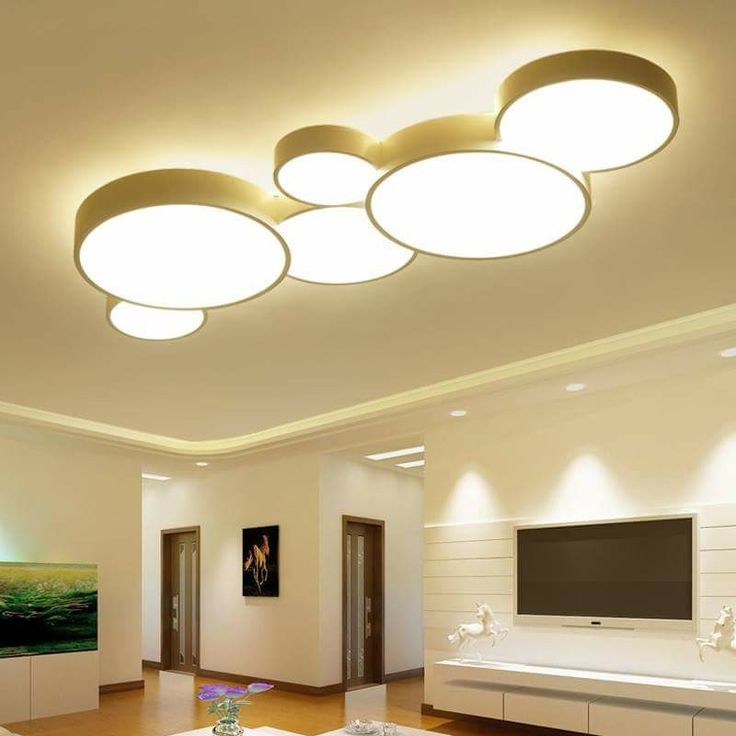
Modern fixtures emphasize simplicity, precision, and clean structure. Straight lines, metallic finishes, matte surfaces, and geometric forms dominate this category. Rather than ornate carvings or embellishments, these pieces rely on proportion and balance.
Common materials include brushed steel, chrome, aluminum, frosted glass, and occasionally acrylic. LED technology frequently supports these designs, allowing slim profiles and energy efficiency. Many contemporary options integrate dimming systems, remote operation, or smart-home compatibility.
Color temperature tends to lean toward cool or neutral white, enhancing clarity and highlighting architectural features. These luminaires often serve as sculptural elements, doubling as artistic statements within living rooms or dining spaces.
Traits of Traditional Illumination
Classic fixtures evoke elegance, history, and intricate detailing. Curved arms, carved bases, fabric shades, and antique finishes define this category. Bronze, brass, crystal, and hand-painted ceramics frequently appear in traditional designs.
Warm lighting tones create cozy environments, ideal for formal sitting areas or heritage-inspired villas. Chandeliers with cascading crystals, lantern-style pendants, and ornate wall sconces convey grandeur. These pieces often function as focal points rather than subtle accents.
In residences influenced by Middle Eastern heritage, traditional luminaires may feature patterned metalwork, stained glass panels, or lantern motifs reflecting regional artistry.
Architectural Compatibility
Choosing between modern and classic options requires assessing architectural context. Contemporary apartments featuring floor-to-ceiling windows, open layouts, and minimalist furniture often harmonize with sleek pendants or linear suspension pieces. The absence of heavy ornamentation prevents visual clutter.
Conversely, villas showcasing arches, decorative moldings, or carved wooden furniture align naturally with traditional chandeliers or fabric-shaded table lamps. Combining ornate fixtures with minimalist interiors may create imbalance unless executed carefully.
High ceilings support dramatic statement pieces, whether ultra-modern ring pendants or crystal chandeliers. Lower ceilings benefit from flush mounts or subtle recessed lighting.
Spatial Functionality
Every room serves a specific purpose, influencing fixture selection. Kitchens and workspaces typically require bright, focused illumination. Contemporary track systems or under-cabinet LEDs provide efficient task lighting without overwhelming décor.
Bedrooms and lounges favor softer ambience. Traditional bedside lamps with fabric shades diffuse glow gently, enhancing relaxation. However, modern dimmable designs can achieve similar warmth through adjustable brightness.
Dining areas often accommodate statement pieces. A classic chandelier conveys luxury during gatherings, while a sculptural contemporary pendant introduces artistic flair.
Cultural Influence and Lifestyle
Dubai represents a blend of global trends and regional heritage. Residents often incorporate multicultural elements into interiors. Modern fixtures appeal to those favoring streamlined lifestyles, technological integration, and minimalist aesthetics.
Traditional lighting resonates with individuals valuing timeless elegance, decorative richness, and cultural authenticity. Homes hosting frequent family gatherings may prefer warm, welcoming atmospheres created by classic pieces.
Lifestyle also matters. Smart-enabled contemporary systems allow scheduling, color adjustment, and remote control—ideal for busy professionals. Classic designs prioritize visual impact over technological features.
Maintenance and Durability
Practical considerations influence long-term satisfaction. Contemporary fixtures often feature smooth surfaces that simplify cleaning. Minimal detailing reduces dust accumulation.
Traditional chandeliers with crystals or intricate carvings require regular maintenance to preserve brilliance. However, quality craftsmanship ensures longevity when properly cared for.
Material selection affects durability. Stainless steel and aluminum resist corrosion, particularly valuable in coastal districts. Brass and bronze develop patina over time, which some homeowners appreciate as character.
Energy Efficiency Considerations
Sustainability has become increasingly significant. Modern designs frequently incorporate LED modules, reducing electricity consumption and replacement frequency. Slim profiles accommodate advanced circuitry without bulky housings.
Classic fixtures can also utilize energy-efficient bulbs, though original designs may have been intended for incandescent lamps. Retrofitting ensures efficiency without compromising appearance.
Balancing environmental responsibility with aesthetic preference remains achievable through thoughtful product selection.
Mixing Styles Thoughtfully
While many homeowners choose one dominant theme, blending contemporary and traditional elements can produce sophisticated results. For instance, pairing a minimalist pendant above a carved wooden dining table creates contrast without conflict. Similarly, placing a classic chandelier within a neutral modern room adds drama.
The key lies in maintaining cohesion through color palette or material consistency. Repeating metallic finishes or coordinating fabric tones prevents discord.
Interior designers often recommend selecting one primary style while using the other as accent. This strategy ensures visual hierarchy.
Budget Implications
Cost varies depending on materials, craftsmanship, and technology. Contemporary LED fixtures sometimes command higher initial investment due to integrated electronics. However, lower energy consumption offsets expenses over time.
Traditional crystal chandeliers may also require significant spending, especially those featuring hand-cut detailing. Simpler classic table lamps typically remain more affordable.
Establishing a clear budget before shopping prevents overspending and narrows options efficiently.
Emotional Impact
Lighting influences mood profoundly. Cool-toned contemporary designs promote alertness and clarity. These characteristics suit home offices, studios, and kitchens.
Warm classic illumination fosters intimacy and comfort, ideal for living areas and bedrooms. Emotional response often guides final decisions more strongly than technical factors.
Walking through a showroom or visualizing fixtures within your own space helps determine which atmosphere resonates personally.
Property Value and Market Appeal
Well-chosen lighting enhances property attractiveness. In Dubai’s competitive real estate market, stylish fixtures can elevate perceived value. When paired thoughtfully with a Coffee Corner Table/طاولة كوفي كورنر, lighting creates a refined focal point that enhances both functionality and visual charm. Contemporary designs may appeal to younger buyers seeking modern aesthetics, while traditional pieces attract those appreciating timeless luxury.
Smart-home systems continue expanding across Dubai residences. Contemporary luminaires often include compatibility with voice assistants, motion sensors, and programmable scenes. Adjusting brightness or color through mobile applications enhances convenience.
Traditional fixtures can integrate smart bulbs, yet structural design may not emphasize technological innovation. Those prioritizing automation may gravitate toward modern solutions.
Climate Considerations
Dubai’s climate involves high temperatures and humidity. Selecting materials resistant to corrosion ensures longevity. Contemporary aluminum or stainless steel withstand environmental conditions effectively. Classic brass or treated metals also perform well when properly finished.
Outdoor lighting requires particular attention to durability and weather resistance.
Final Comparison
Both styles offer distinct advantages. Contemporary fixtures deliver streamlined elegance, energy efficiency, and technological sophistication. Traditional designs provide warmth, decorative richness, and timeless charm.
Rather than following trends blindly, homeowners should evaluate architecture, lifestyle, maintenance tolerance, and emotional preference. Visiting showrooms, reviewing catalogs, and consulting design professionals facilitate informed decisions.
Ultimately, the best choice aligns with personal taste and spatial harmony. Whether embracing minimalist pendants or ornate chandeliers, thoughtful selection transforms ordinary rooms into inviting sanctuaries. Dubai’s dynamic design landscape supports both expressions, allowing every residence to shine with character and intention.

 campbellsfence1@gmail.com
  urbanissues
  Neil Clark