
For drivers in the Philippines, understanding the difference between comprehensive car insurance and dedicated 24/7 roadside assistance is crucial for complete vehicle protection. While both services are essential for motoring peace of mind, they serve distinctly different purposes: one is a financial safeguard against catastrophe, and the other is an operational service providing immediate help for minor emergencies. Relying solely on car insurance often leaves a driver unprepared for the sudden reality of a flat tire, a dead battery, or a simple breakdown that requires immediate towing. This guide details the unique benefits of each service and why drivers need both for complete financial security and safety.
Defining the Core Services
What is 24/7 Roadside Assistance?
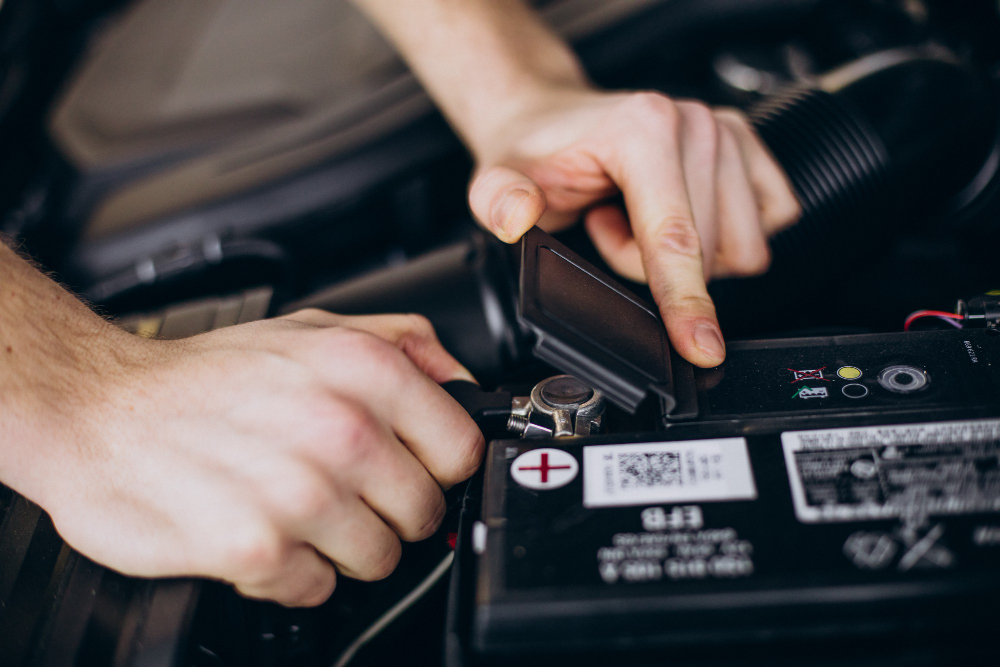
24/7 roadside assistance focuses on immediate, non-accident emergency services for the vehicle itself. This coverage is triggered by minor mechanical or operational issues. Typical services include flat tire changes, dead battery jumpstarts, emergency fuel delivery (client pays for fuel), and minor on-the-spot repairs. The primary goal is getting the driver and the vehicle mobile again or safely towed to the nearest service center, ensuring minimal delay and stress.
What is Car Insurance?
Car insurance, particularly comprehensive motor insurance, is a financial protection mechanism against large, unforeseen costs. It covers expenses resulting from accidents, theft, or damage from natural disasters. Its primary goal is fiscal: covering third-party liability, property damage, and the monetary value required for repairing or replacing the vehicle after a total loss.
Key Differences in Coverage
Scope of Incident
The distinction between the two services is clear: 24/7 roadside assistance is for convenience and minor mechanical failures—such as locking keys inside the car or running out of gas. Insurance, conversely, is designed for major financial risk, like a severe collision or flood damage. Roadside assistance is operational and preventative; insurance is fiscal and reactive to disaster.
Cost and Claim Impact
Using your 24/7 roadside assistance generally does not affect your car insurance premiums or impact your No-Claim Bonus (NCB). This encourages use for minor issues without penalty. Insurance claims, however, almost always involve deductibles (the amount the owner pays first) and can result in increased future premium costs or the loss of the NCB when the policy is renewed.
Why You Need Both in the Philippines
Bridging the Safety Gap
A key local reality is that many Filipino motor policies have very limited or inadequate built-in roadside assistance for necessities like long-distance towing. Independent 24/7 roadside assistance plans fill this operational gap, providing peace of mind for unexpected breakdowns on expressways (NLEX, SLEX) or isolated provincial roads.
The Financial Safety Net
Stressing the severe financial risk: even the best 24/7 roadside assistance plan (e.g., covering a P5,000 tow) cannot cover the hundreds of thousands needed for collision repair or total loss. For large-scale financial protection, car insurance is mandatory, providing a vital safety net against catastrophic financial loss.
Cost-Benefit and Decision Making
Calculating the Cost of Self-Pay
The cost-effectiveness of having 24/7 roadside assistance becomes clear when analyzing self-pay costs. For instance, towing on expressways like NLEX for a Class 1 vehicle can start around P1,792 plus succeeding kilometer charges. Comparing this to the typical annual membership fee (which can range from P900 to P2,500 for basic plans), the cost-benefit ratio is strongly in favor of membership, especially if the service covers multiple interventions per year.
The Value of Peace of Mind
Beyond the clear financial savings, the primary intangible benefit of 24/7 roadside assistance is the emotional relief and safety it provides. During a stressful breakdown, particularly when traveling with family, late at night, or in an unfamiliar area, knowing that a single, verified call connects you to a professional, trusted service provider is invaluable. This prevents unnecessary panic and reduces the risk of unauthorized towing operations.
Where to Get Roadside Assistance
Integrated vs. Standalone Services
24/7 roadside assistance can be acquired in two main ways. Integrated assistance is bundled with the car insurance policy or the dealer’s warranty; however, the scope is often restrictive. Standalone services (e.g., AAP, credit card-bundled) usually offer better features, more generous towing limits, and more reliable, dedicated 24/7 roadside assistance.
Key Features to Look For
When choosing a plan, drivers should check for key features tailored to local driving conditions: Nationwide coverage (not just Metro Manila), generous or unlimited towing mileage (or high limits up to P8,000 per event), and concrete guarantees on fast response times. It is also important to confirm if the service covers specific needs like flatbed towing.
Key Takeaway
The question is not whether to choose one over the other, but recognizing they are complementary necessities. While car insurance serves as the financial bedrock against catastrophe, it does not replace the crucial, immediate, and practical benefits of 24/7 roadside assistance. For the best protection and peace of mind on Philippine roads, drivers need both: insurance for the financial security and dedicated assistance for the immediate, non-accident emergencies that occur most frequently.
 Leighton Fine Art Ltd